Browse articles on product selection and markets, specifications, logistics and compliance. Use the individual guide relevant to your question and check its original sources, dates and model-specific limitations before making a purchasing decision.
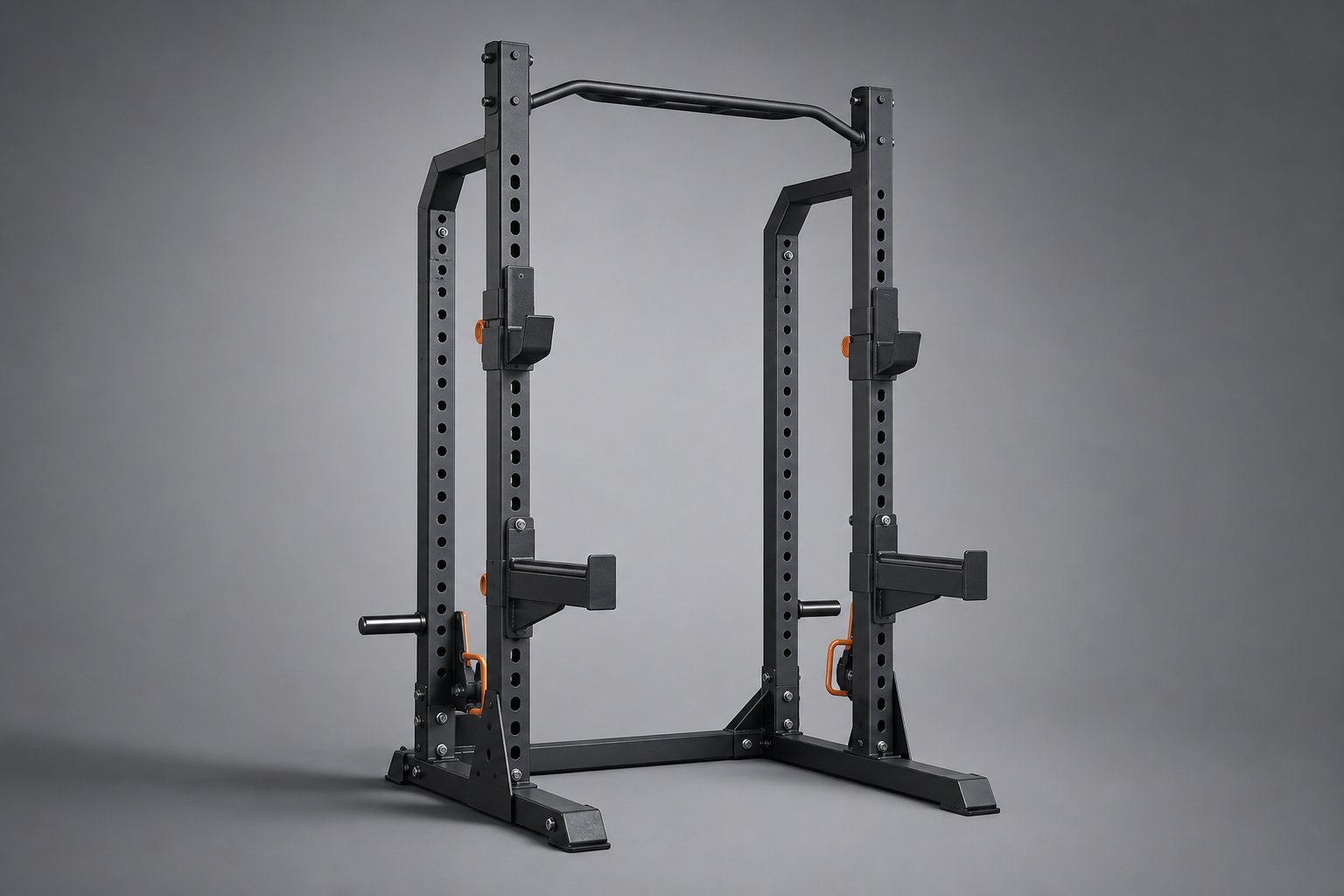
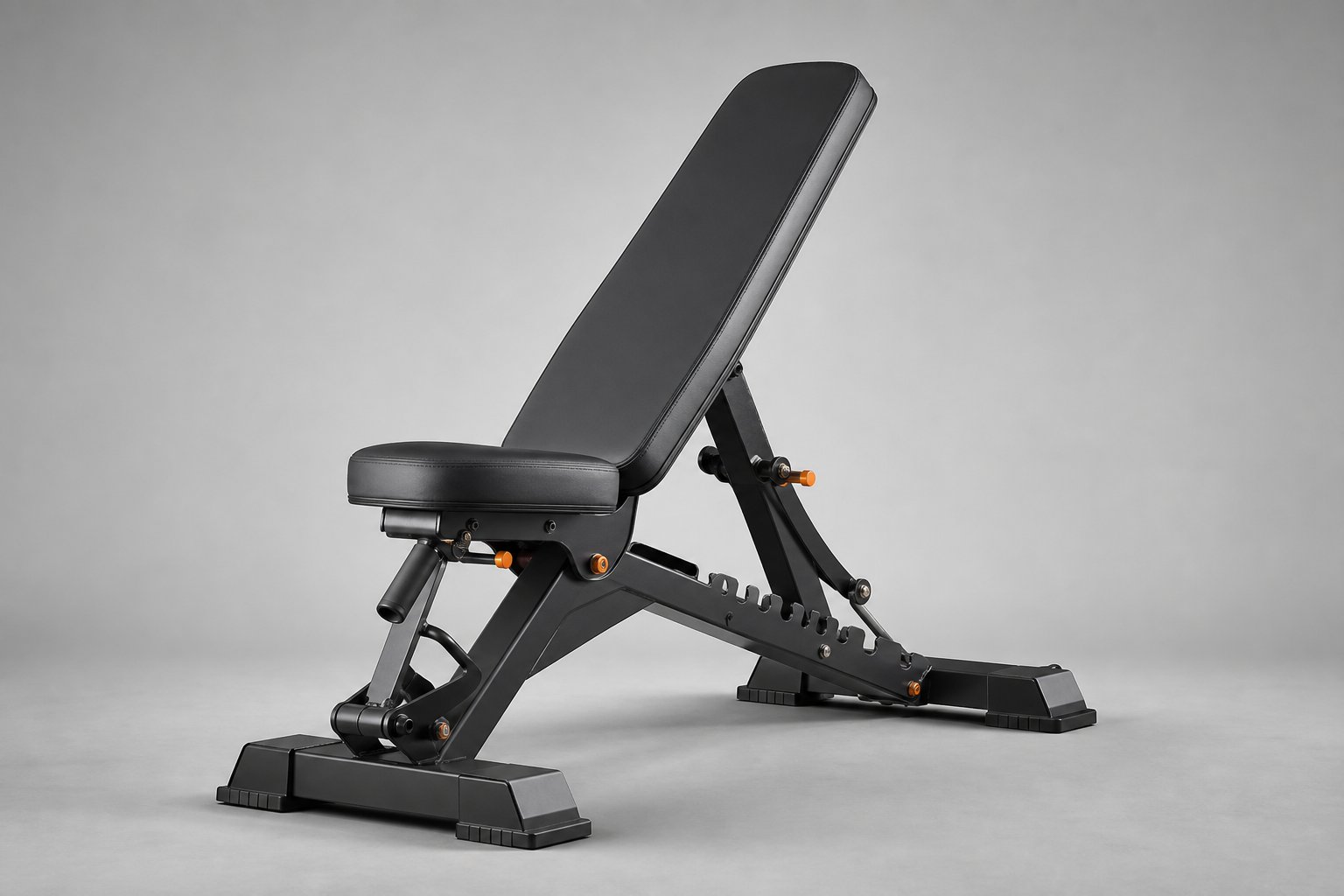
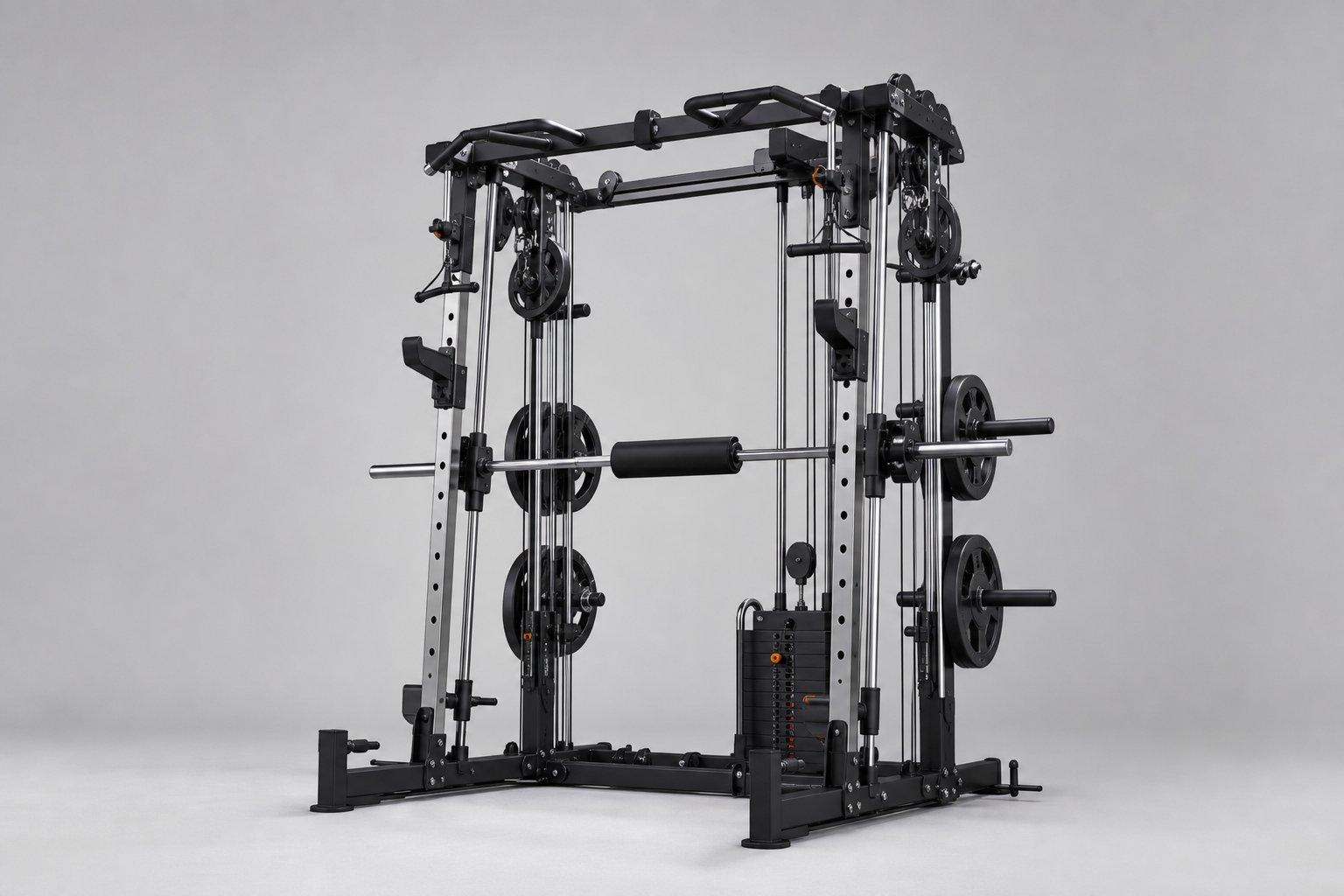
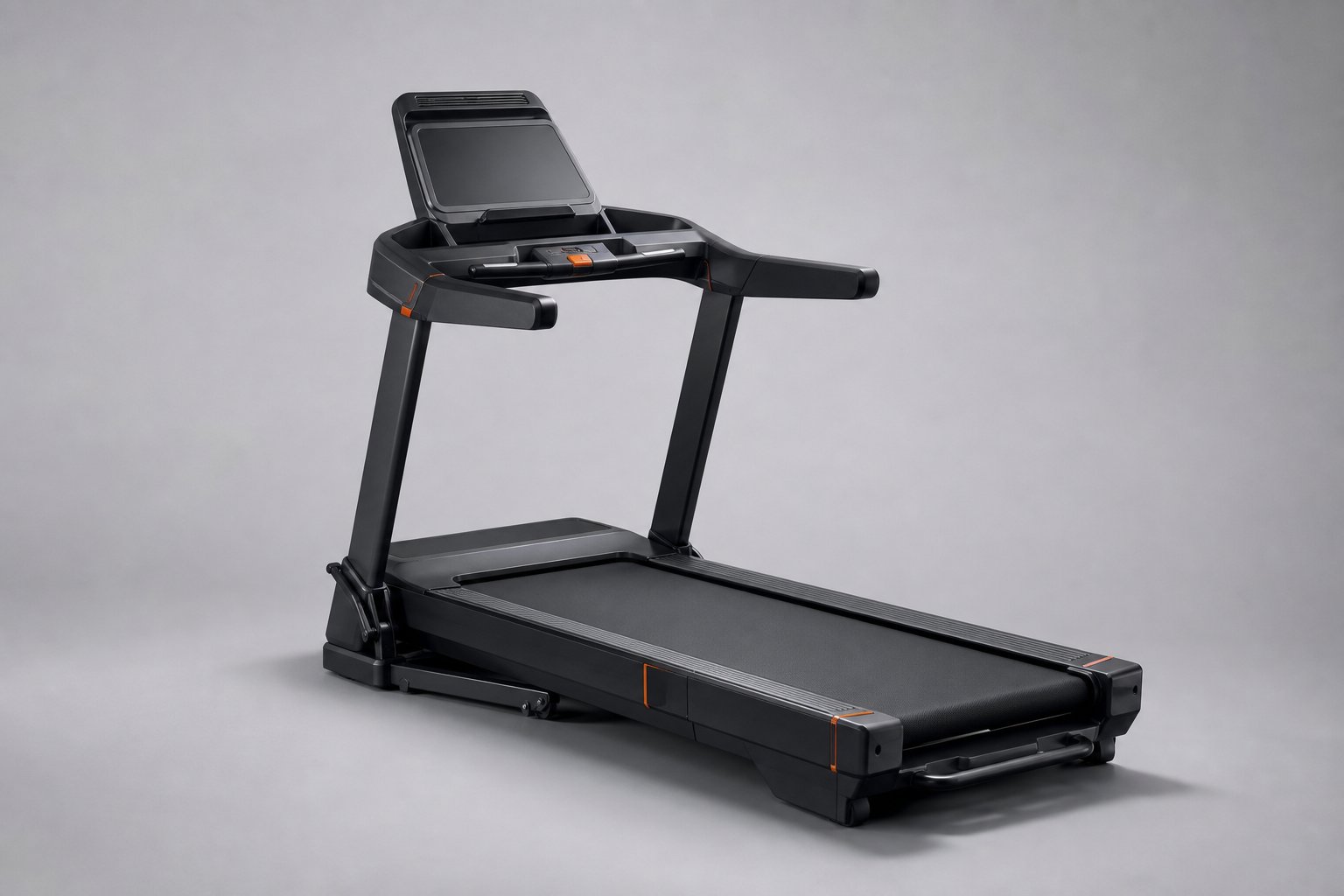
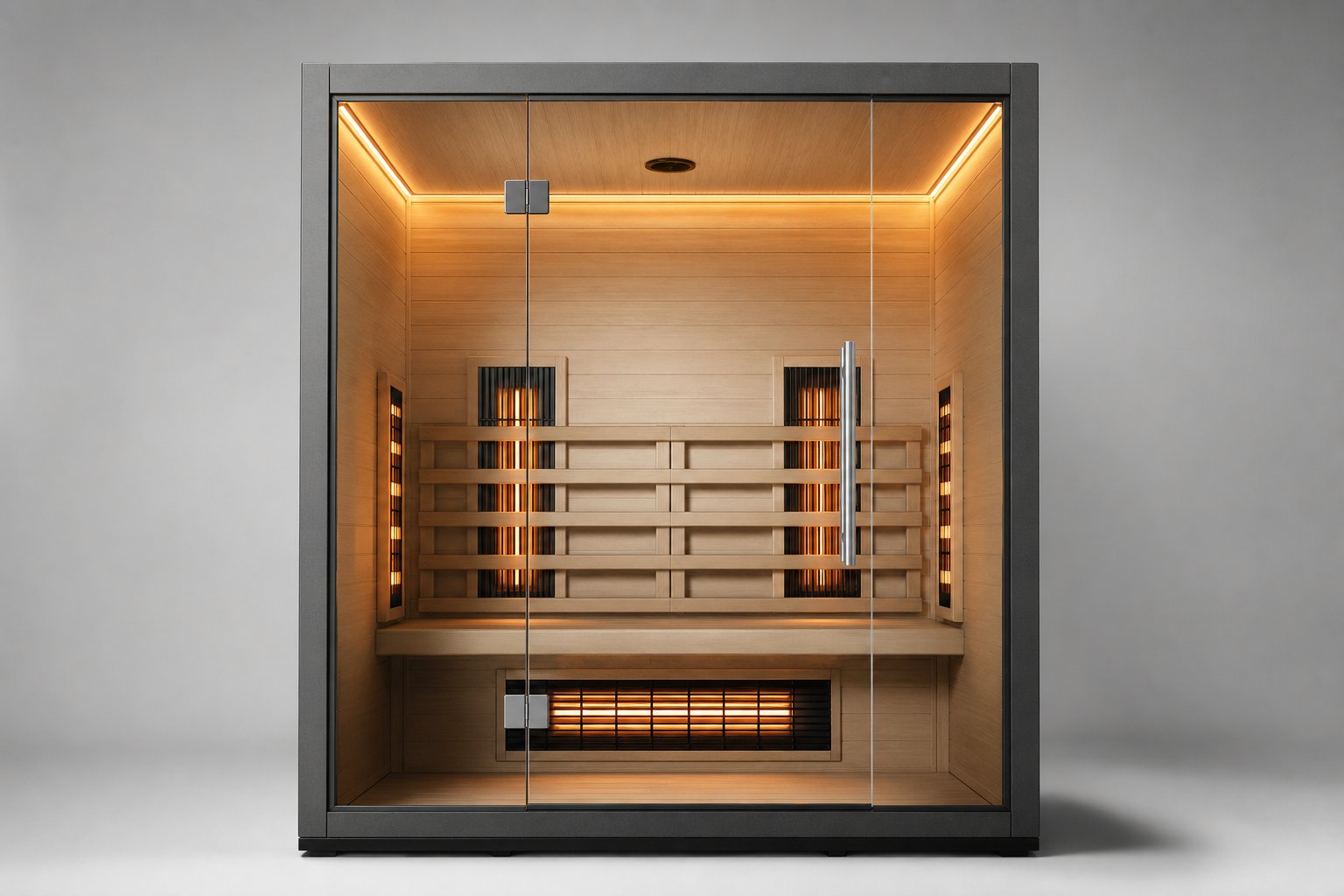
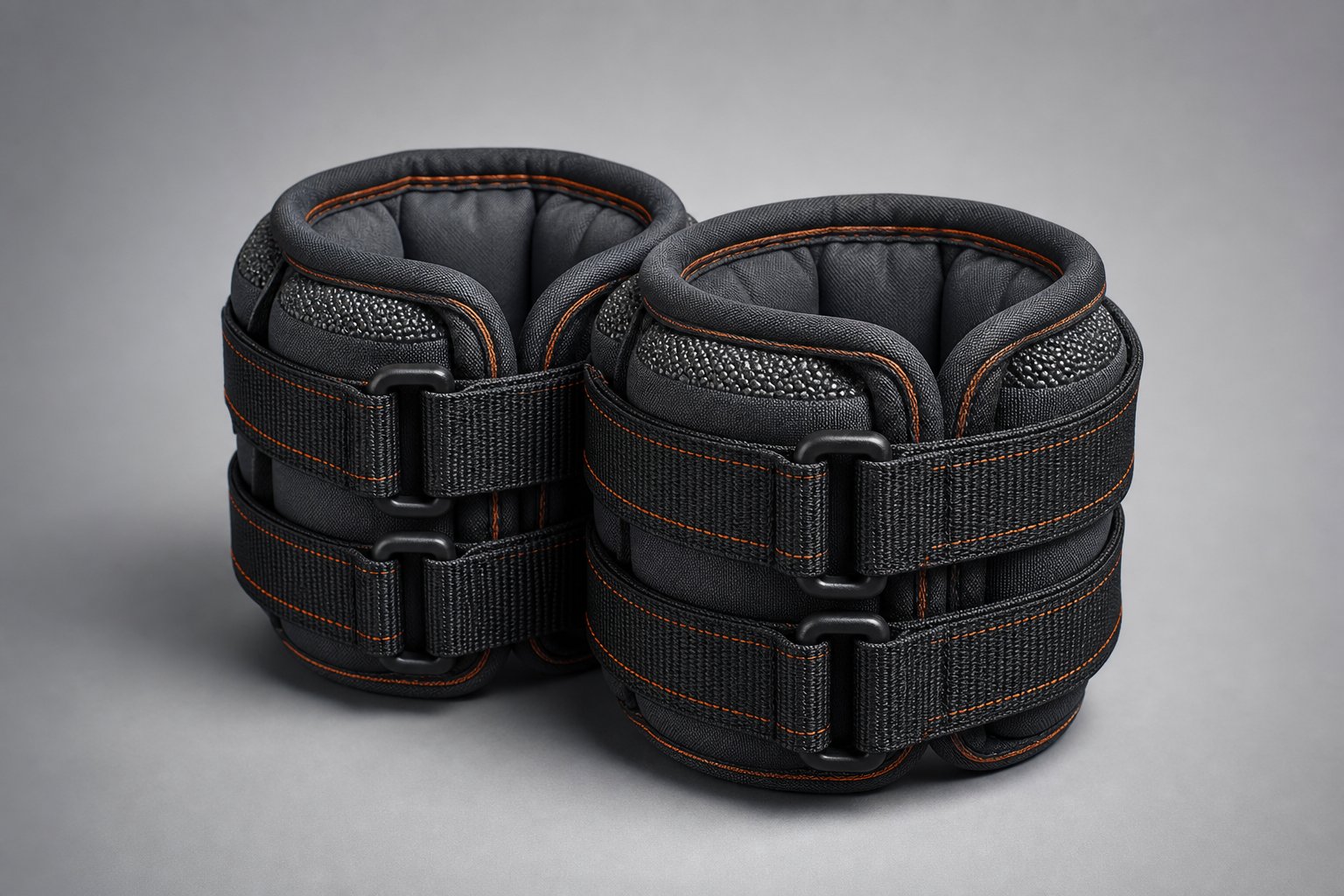
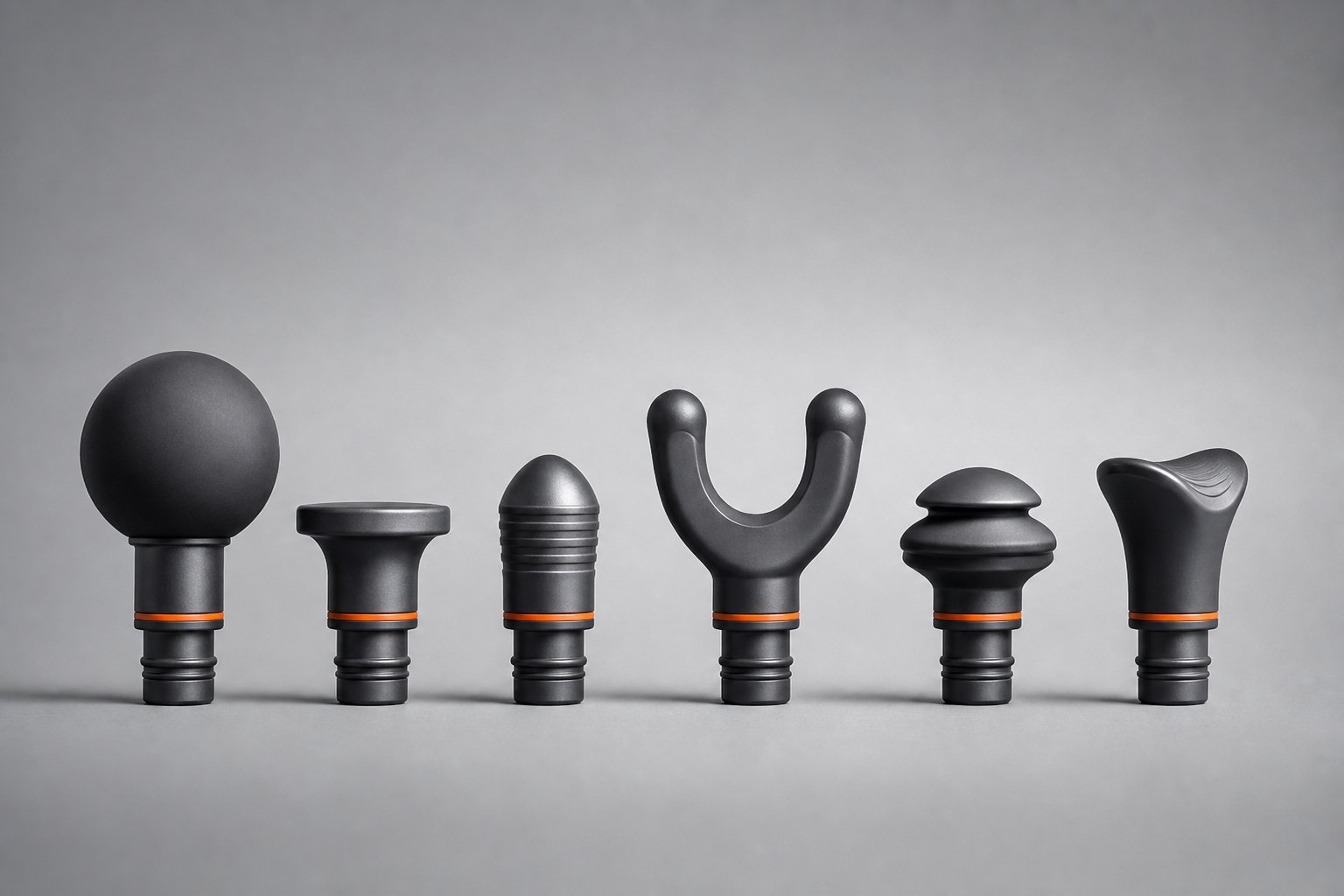
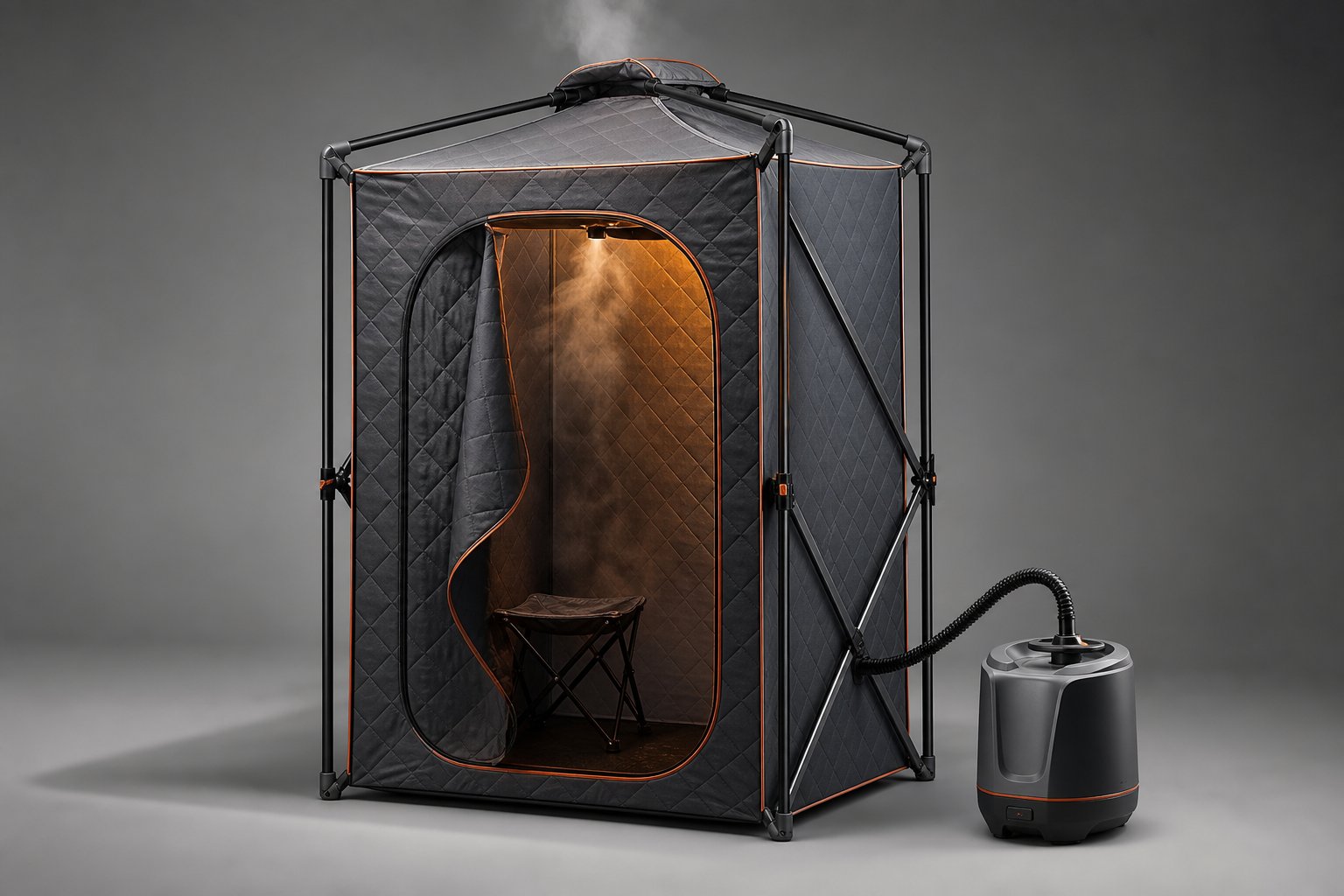
Equipment and production images are generated illustrations. They do not document a named supplier, factory, test or stocked model.


Check the reporting year, product category and original source before applying an export total to a sourcing decision.

Compare actual SKU limits, stock ownership, inspection evidence, tracking, returns and parts responsibilities.

Identify the contracting entity and actual manufacturer, then compare scope, evidence and total delivered cost.

Assess demand, site requirements, product evidence and service costs without assuming that a growing market guarantees margins.

Separate broad market forecasts from channel-specific demand, competitive offers and the economics of selected SKUs.

Define compatible racks, weights, storage, installation needs and packed dimensions for the intended customer.

Use floor plans, intended users, training movements, utilities and delivery access to compare complete proposals.

Request quantities by SKU and change scope; compare sampling, setup costs, repeat orders and inventory exposure.

Identify classification, origin, import date, delivery term, freight and other charges instead of applying a universal duty rate.

Evaluate actual packed size, mass, carrier limits, support needs and delivered margin for each proposed SKU.

Describe users, frequency and site conditions, then review the actual model configuration and applicable test evidence.

Work backwards from channel-specific sales dates using confirmed approval, production, transport and inbound milestones.

Compare branding, packaging, configuration and new-development work with supplier-specific quantities and approval stages.

Separate product, freight, handling, duties, service and channel costs; keep assumptions explicit in any worked example.

Keep dates and source scope with regional figures and verify each proposed manufacturer separately.

Compare cargo handling, freight, storage, assembly and final delivery before offering a fulfilment service.

Define the site, training requirements, installation, safety evidence and after-sales budget before comparing quotations.

Compare actual buyer requirements, competitive specifications and delivered costs for racks, benches and weights.

Assess material transparency, sample performance, relevant chemical evidence, packaging and bundle compatibility.

Verify the supplier, configuration, site requirements, test conditions, packing, delivery and service responsibilities.

Define product claims, branding, fulfilment, customer support and development scope without assuming fixed quantity tiers.

Compare the intended channel, competition, substantiated claims, sample performance and total delivered cost.

Request model-specific specifications, image rights, scale references, instructions and installation material.

Compare coordination costs, supplier accountability, inspection, consolidation and resilience for the actual order.

Specify tube material, geometry, hole layout, supports, safeties, installation and load-test conditions.

Compare adjustment, locking, upholstery, stability and the actual rated-load evidence for the named model.
Review movement constraints, intended users, installation, safety functions, footprint and delivery needs.

Distinguish continuous and peak ratings and request voltage, duty conditions, controller identity and test methods.

Define resistance, rail construction, storage, maintenance and noise-test conditions for comparable proposals.

Compare actual geometry, user range, resistance adjustment, stability and operating clearances.

Assess flywheel mass alongside resistance, drive, controls, adjustment, maintenance and model-specific evidence.

Confirm usable surface, controls, instructions, packed dimensions, battery status if relevant and carrier acceptance.

Compare actual construction, handles, coatings, odour, corrosion and floor-contact behaviour under stated conditions.

Review selection, locking, mass increments, drop limitations, compatible stands and replacement-part information.

Confirm mass, handle dimensions, body geometry, construction and any relevant competition requirements.

Agree bar compatibility, bore and mass tolerances, material, covering, markings and inspection methods.

Define dimensions, mass, material, sleeves, knurling, straightness, loading and the intended discipline.

Compare actual formulations, layers, surface behaviour, relevant chemical restrictions and sample results.

Specify the intended users and use conditions, then compare thickness, dimensions, density, recovery and packed size.

Agree force at stated elongation, tolerances and the supplier’s colour mapping; colour codes are not assumed universal.

Request actual composition, performance samples, labelling and substantiation for any latex-free statement.

Compare cable or rope material, handles, bearings, joints, adjustment and intended users.

Specify composition, density, dimensions, surface, shape recovery and intended use for the proposed product.

Compare stroke, speed, motor, controls, power and noise evidence without inferring clinical effects.

Review measurements, textiles, stays, closures, instructions and any medical or protective product claims.

Compare fit, thickness, width, seams, fastenings, intended lifting use and relevant competition requirements.

Identify the heating system, utilities, ventilation, installation clearances, controls and service needs.

Specify water volume, ambient and starting temperatures, cooling target, filtration, noise and maintenance access.

Review material identification, conditioning, joints, treatment, installation environment and maintenance instructions.

Confirm actual dimensions, inflation instructions, valves, intended users and evidence for load or puncture claims.

Assess composition, dimensions, seams, grip, rolling and force retention under stated test conditions.

Define mass distribution, filling, closures, seams, adjustment, leakage checks and user instructions.

Request the actual measurement method, fit range, adjustment and samples across the proposed size curve.

Define user needs, compatible interfaces, sizes, packaging, instructions and delivered cost for each proposed set.

Specify construction, dimensions, alignment, lubrication, operating conditions and relevant inspection methods.

Confirm connector dimensions, load basis, handles, ropes, bars, materials and user instructions.

Compare head geometry, composition, connection, cleaning instructions and model-specific compatibility.

Specify composition, dimensions, measured force, anchors, user instructions and substantiated content claims.

Review the generator, controls, tent materials, power, assembly, instructions and safety evidence.

Compare compatibility, supplier readiness, packed weight, volume, handling and destination requirements.

Request actual cargo data, route options, packing, handling, customs and final-delivery responsibilities.

Use actual carton or crate dimensions, mass, stacking limits, securing needs and carrier constraints.

Confirm current provider and service terms for packed weight, dimensions, surcharges and delivery addresses.

Review acceptance, storage, handling, labels, booking, returns and support requirements for selected SKUs.

Confirm the named facility, work instructions, competence, inspection records, fees and liability before booking assembly.

Compare actual cargo, destination, class or charging basis, handling and service levels with parcel and other freight options.

Define protection, fixation, handling and tests for the actual weight, dimensions, route and damage risks.

Compare diagnosis, repair, parts replacement, return and refund options with labour and transport responsibilities.

Confirm access, appointment, unloading, handover, assembly, coverage and fees with the actual provider.

Review readiness, packaging, stacking, securing, weight distribution, documents and unloading for the proposed load.

Identify the named place, version, importer role and cost and risk allocation in the actual offer.

Separate stock approval, release work, dispatch, transit, customs, warehouse and final-delivery dates.

Agree measurable events, responsibilities, exceptions, evidence and escalation with the actual service provider.

Identify critical parts, revisions, compatibility, stocking, supply period, pricing and dispatch responsibilities.

Confirm diagnosis, coverage, exclusions, local work, parts, labour, freight and claim evidence for each model.
Use actual sales dates, approvals, production milestones, freight booking, customs and inbound requirements.

Verify identity, scope, specifications, samples, evidence, data exchange and test-order acceptance before scaling.

Identify chemistry, configuration, watt-hours, relevant test summary and current carrier and packing requirements.

Define actual set contents, packaging, instructions, demand assumptions and total delivered margin.

Confirm insured parties, risks, territories, limits, exclusions, evidence and claim procedures for the actual business.

Identify relevant parts and classifications for indoor stationary equipment and request matching reports.

Determine applicable legislation and responsible parties, then review the actual declarations, reports and markings.

Review the purpose, scope, product identity and current destination requirements before relying on a marking claim.

Check CPSA product coverage and current criteria rather than assuming SG marking applies to all small fitness products.

Identify actual materials, relevant restrictions, analytes, limits, methods and sample identity for the destination.

Review actual material declarations, relevant substance information and the responsible supplier’s documentation.

Assess current requirements for the actual materials, exposures and sales destination with appropriate expertise.

Confirm product scope, relevant materials, supplier evidence and the technical documentation required.

Review intended use, indications, product status, labelling and evidence before publishing medical or rehabilitation claims.

Check the complete classification, origin, import date and current schedule rather than applying a blanket tariff.

Identify designs, brands, artwork, rights, supplier permissions and appropriate advice for the intended market.

Define identity, site, process, quality, records, capacity and subcontracting questions for the proposed manufacturer.

Check contracting identity, manufacturing location, process ownership and evidence rather than relying on seller labels.

Determine responsible parties, destination requirements, warnings, traceability and approved artwork for the actual SKU.

Define covered products, duration, exclusions, diagnosis, evidence and the allocation of parts, labour and freight.

Align the actual product description, classification, origin, value, parties and shipping information across documents.

Identify markets, packaging types, obligated parties and current registration or reporting requirements.

Confirm product scope, destination, relevant dates and current government guidance before choosing markings.

Review territories, activities, limits, exclusions, contractual duties and the evidence required by the insurer.

Maintain product identity, revisions, applicability decisions, declarations, reports, instructions and review dates together.
No articles match this filter.
Send the product category, intended use, quantities, destination and required dates. Ask for the proposed supplier’s specifications, evidence and delivery responsibilities for the actual order.