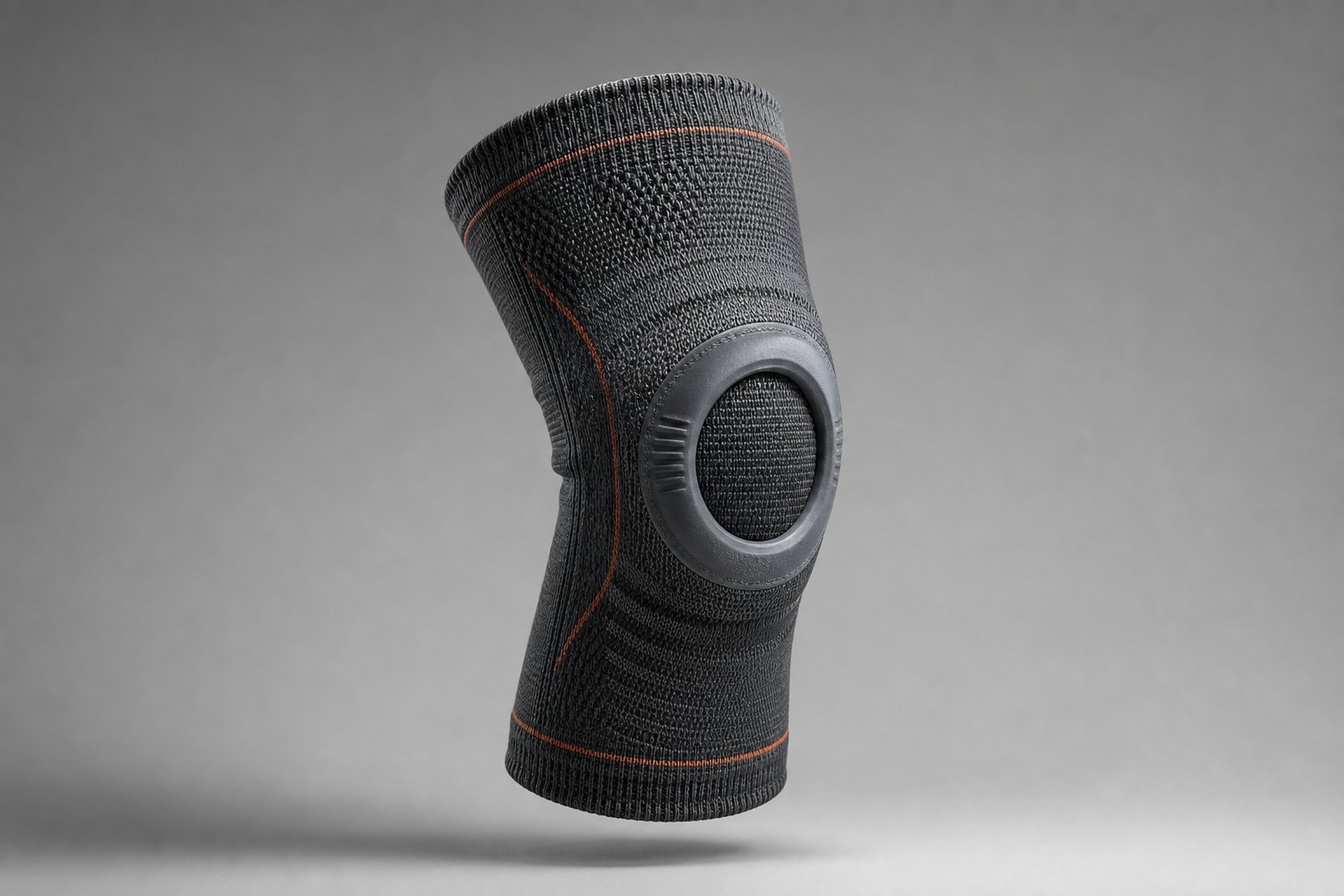
Compare knee, wrist, elbow, ankle and back supports and lifting accessories by intended use, measured fit, construction, materials and instructions. Verify the actual manufacturer, sample performance, quantities and documents. Regional industry information does not establish a medical-grade supply line, qualified supplier or tested product.
Equipment and production images are generated illustrations. They do not document a named supplier, factory, test or stocked model.
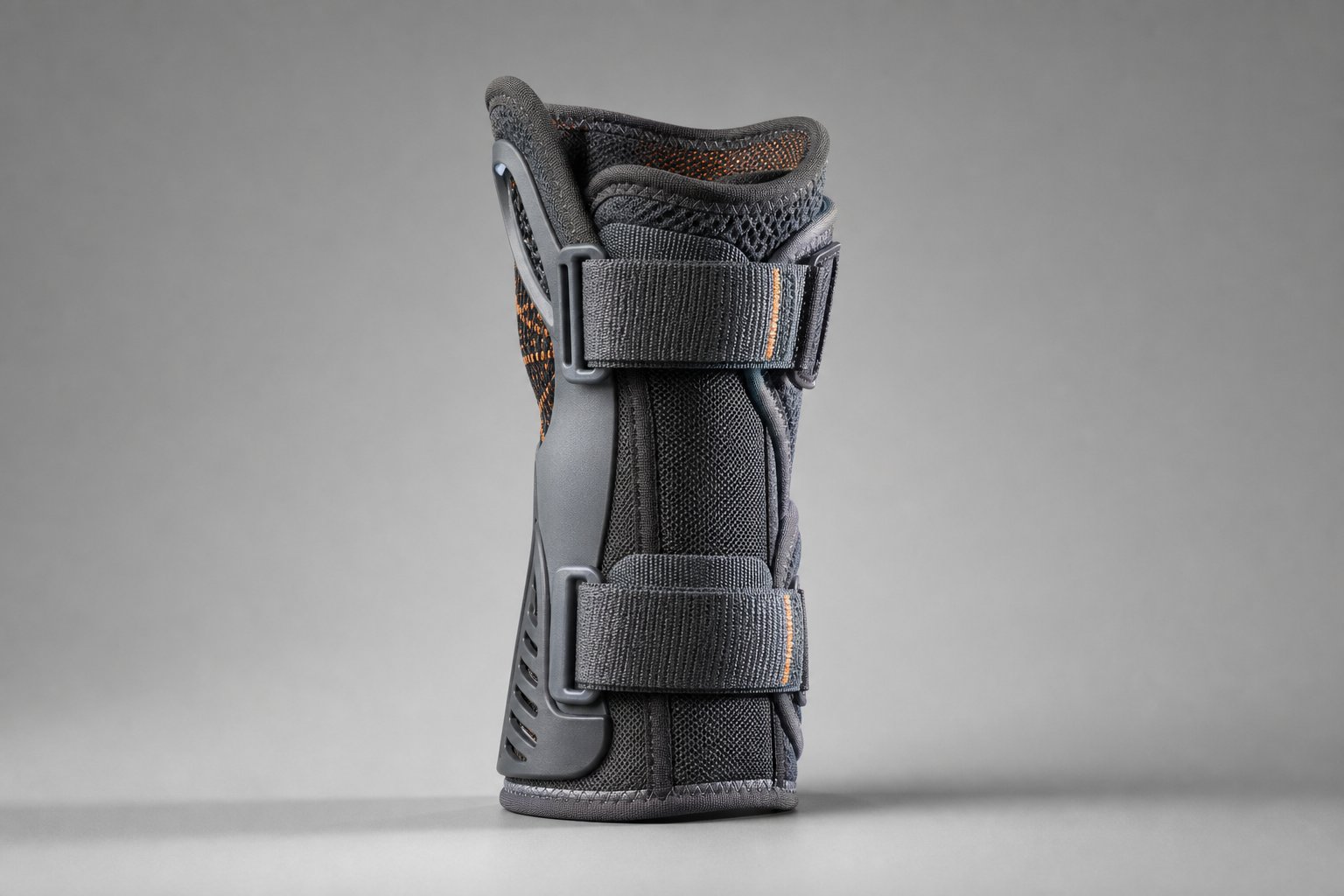
Define the function and claims for the actual product before comparing construction and fit. Review straps, stays, textile properties, skin-contact materials, seams and user instructions. Medical-device status and any medical or protective claims require destination- and product-specific assessment; a tier name is not a qualification.
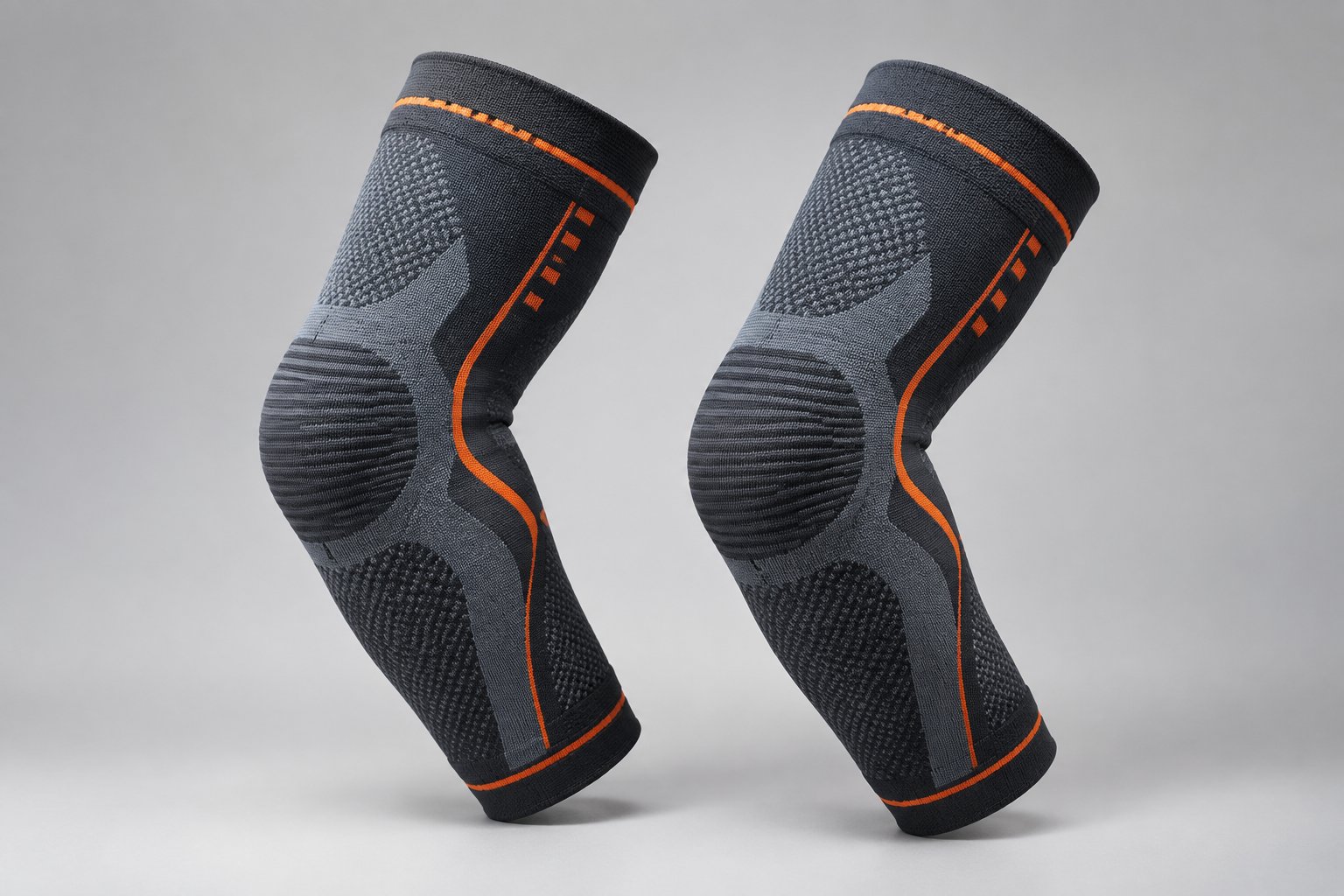
Compare sleeves, patella straps and stayed supports using the actual measurements, construction, adjustability and intended use. Request supporting fit and material information for the named model.
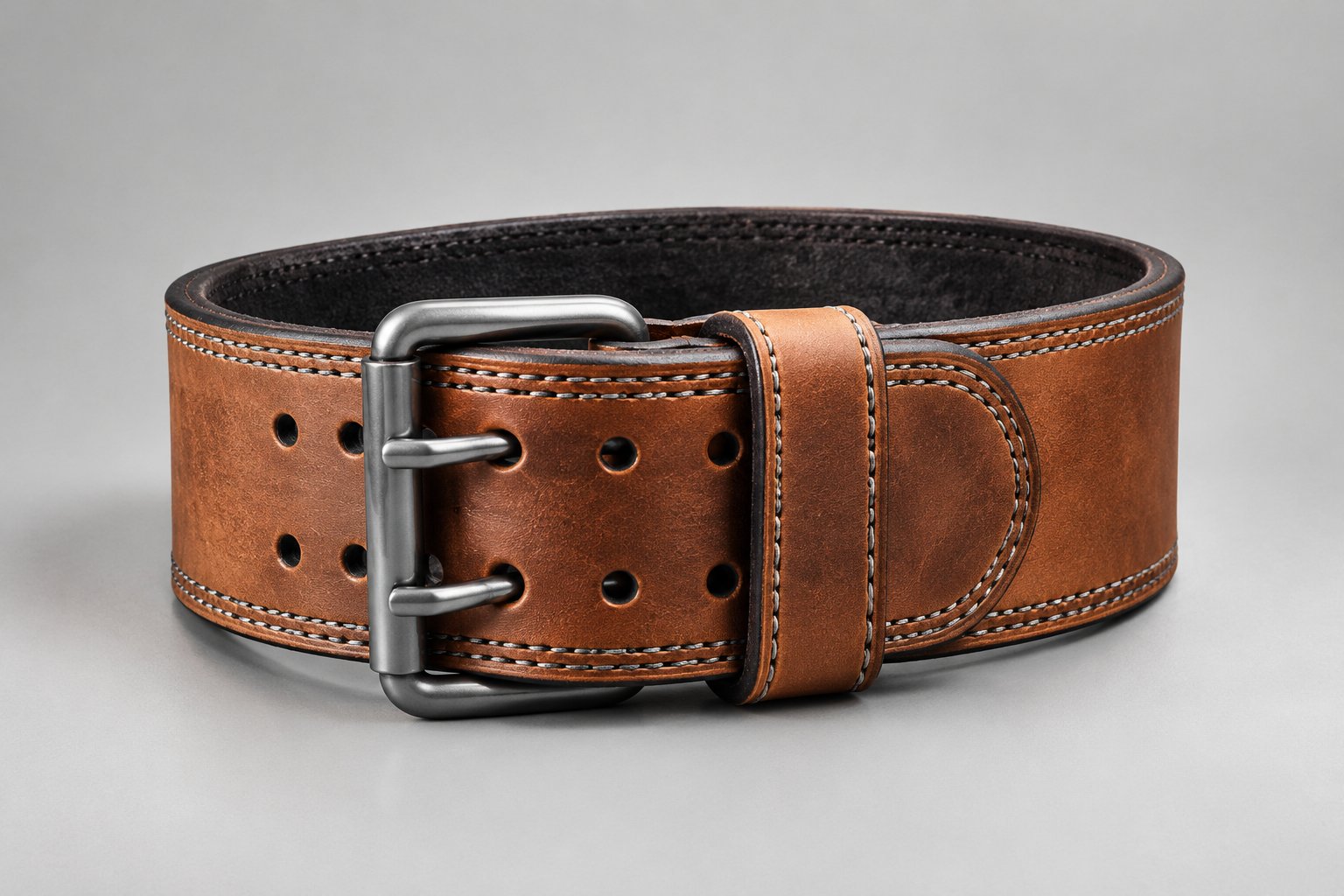
Define belt material, thickness, width, closure, reinforcement and intended lifting use. Check fit, fastening strength, instructions and any relevant competition requirements.
Specify composition, dimensions, stretch, closure, seams and intended use for each wrap or strap. Confirm marking feasibility and actual sample quality.
Review compression or support claims, sizing measurements, textile construction, straps and fastening. Confirm the usable fit range and instructions from the responsible manufacturer.
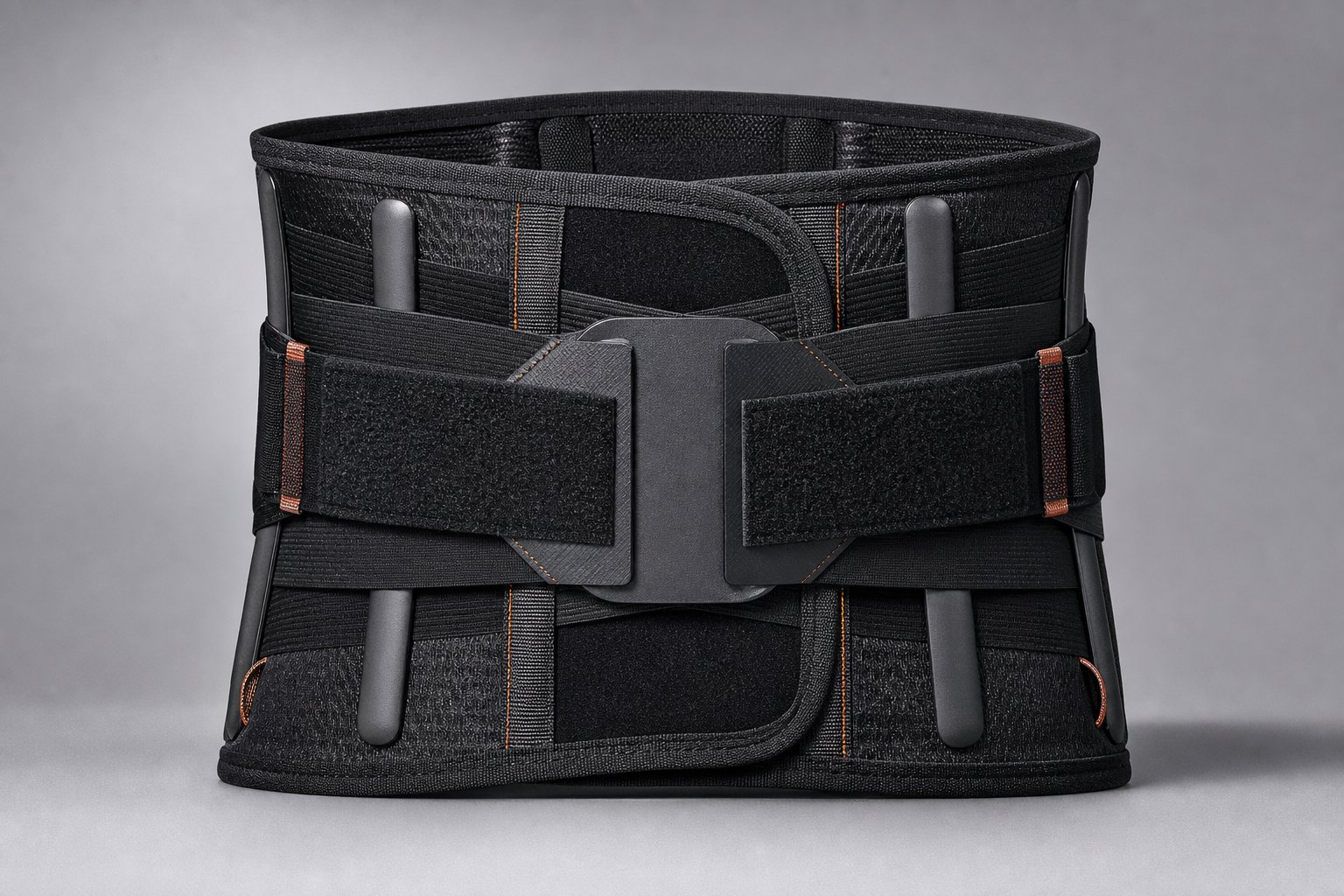
Identify stays, straps, closure, dimensions and intended use. Assess any waist-shaping, medical or protective claims separately; do not infer performance from the product category.
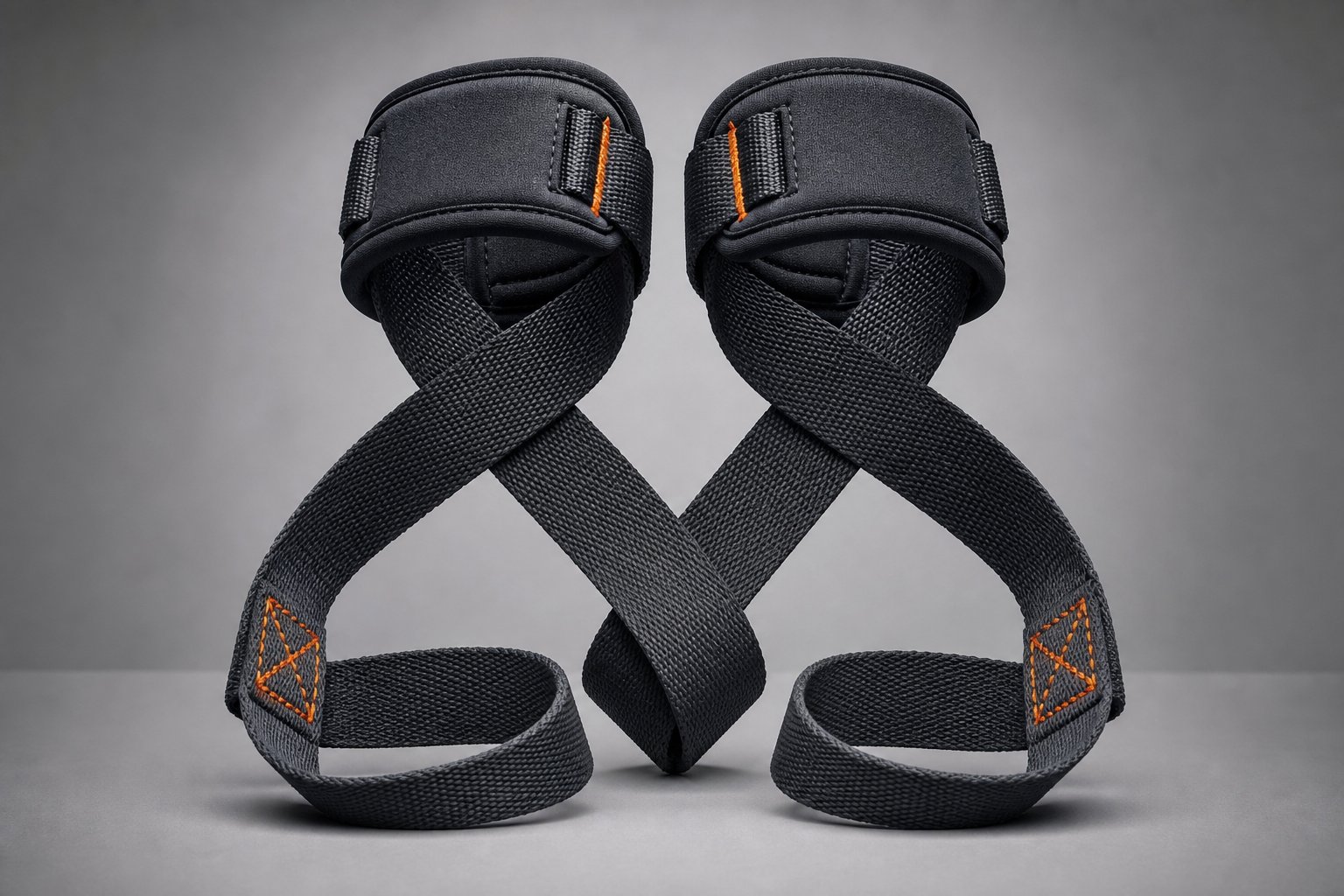
List the required strap, hook and grip types and their compatibility with the intended equipment and exercises. Confirm load-bearing construction, instructions, sample tests and set contents.
| Level | Structure | Target Channel |
|---|---|---|
| Elastic | Confirm knit structure, compression claims and fit measurements | Define the intended retail users and substantiated product claims |
| Protective | Confirm the number, material and placement of stays and straps | Review the intended use and any rehabilitation or protective claims |
| High-Support | Confirm the actual stay and strap design and supporting test evidence | Assess product status and requirements for the named use and destination |
Intended use and claims must be assessed for each actual product and destination. A sports label or a disclaimer alone does not determine whether a product is a medical device. Review classification, responsible parties, labelling and evidence before using medical, rehabilitation or injury-prevention claims.
Use dated, category-specific market evidence when planning a support range. Market size does not establish demand for a selected fit, medical status or a supplier’s ability to meet the required specification.
Specify quantities by style, size, colour and branding scope. Request the proposed supplier’s minimums and compare trial and repeat-order conditions, sample costs and inventory exposure for that defined mix.
Request the manufacturer’s measurement chart, measurement locations, fit range, adjustability and intended users for each model. Check samples across the proposed size curve and approve the packaging chart and any fit exclusions against the actual product.
Ask which marking methods suit the textile or webbing. Agree artwork detail, minimum legible size, durability checks, samples, quantities and setup costs for the proposed method, and approve a physical sample before production.
Define the intended users, compatible sizes, product claims and contents of the proposed set. Compare set-level packaging, instructions, quantities and delivery, then confirm supplier-specific prices and consolidation arrangements with the identified providers.
Share your categories, quantities, intended use, destination and target retail price range. Include the required ship date and any known technical, packaging or document requirements so the sourcing team can respond to the specific project.