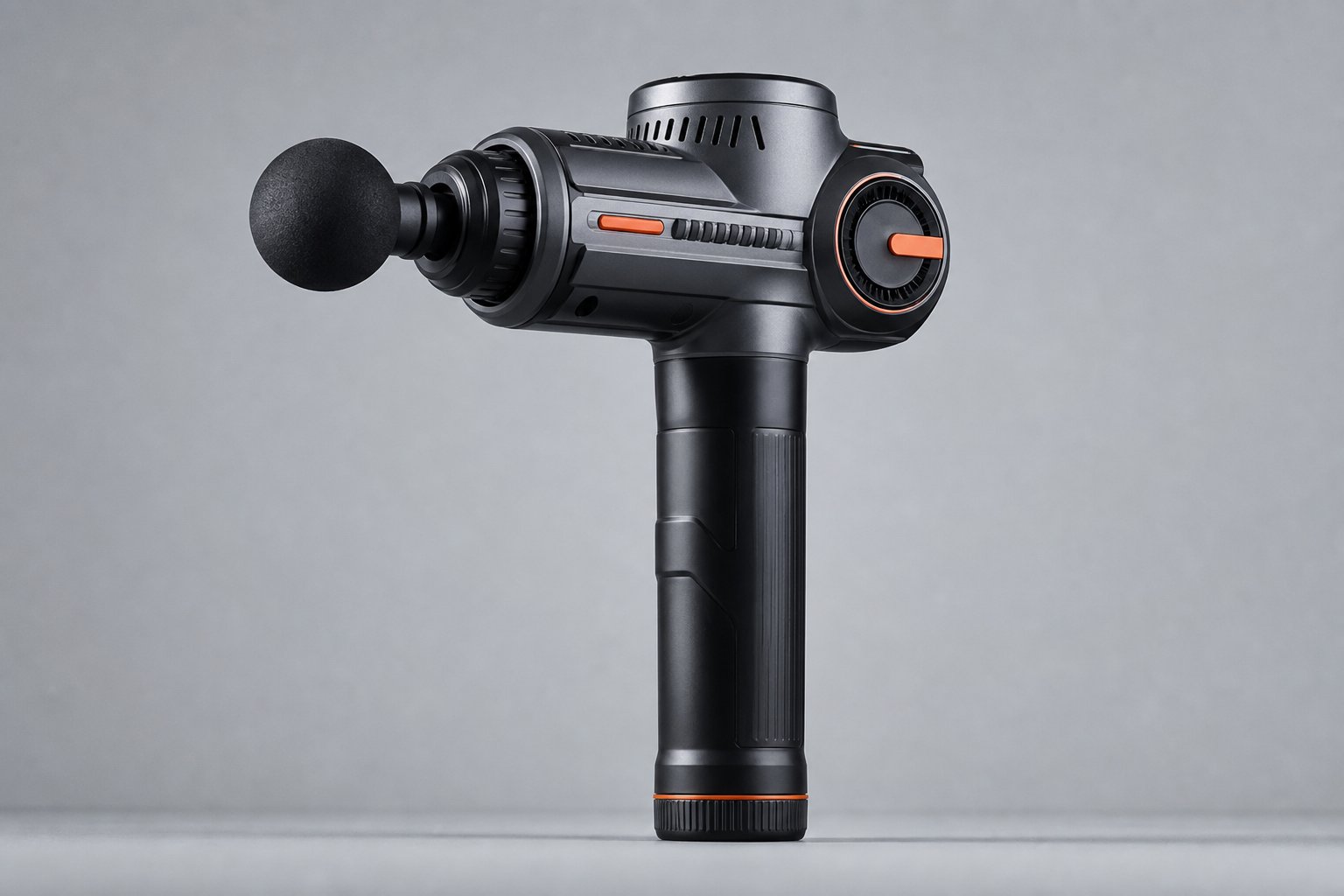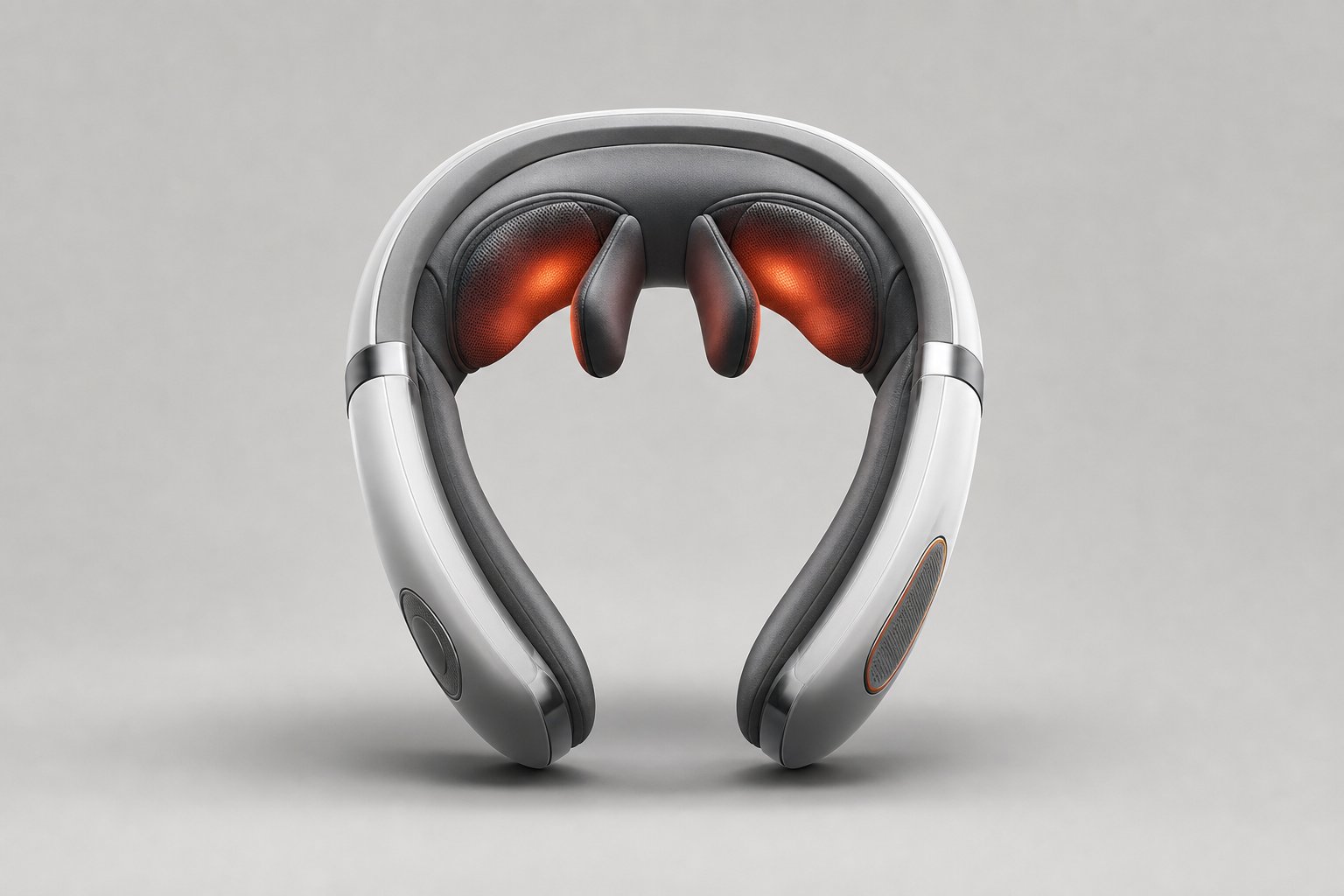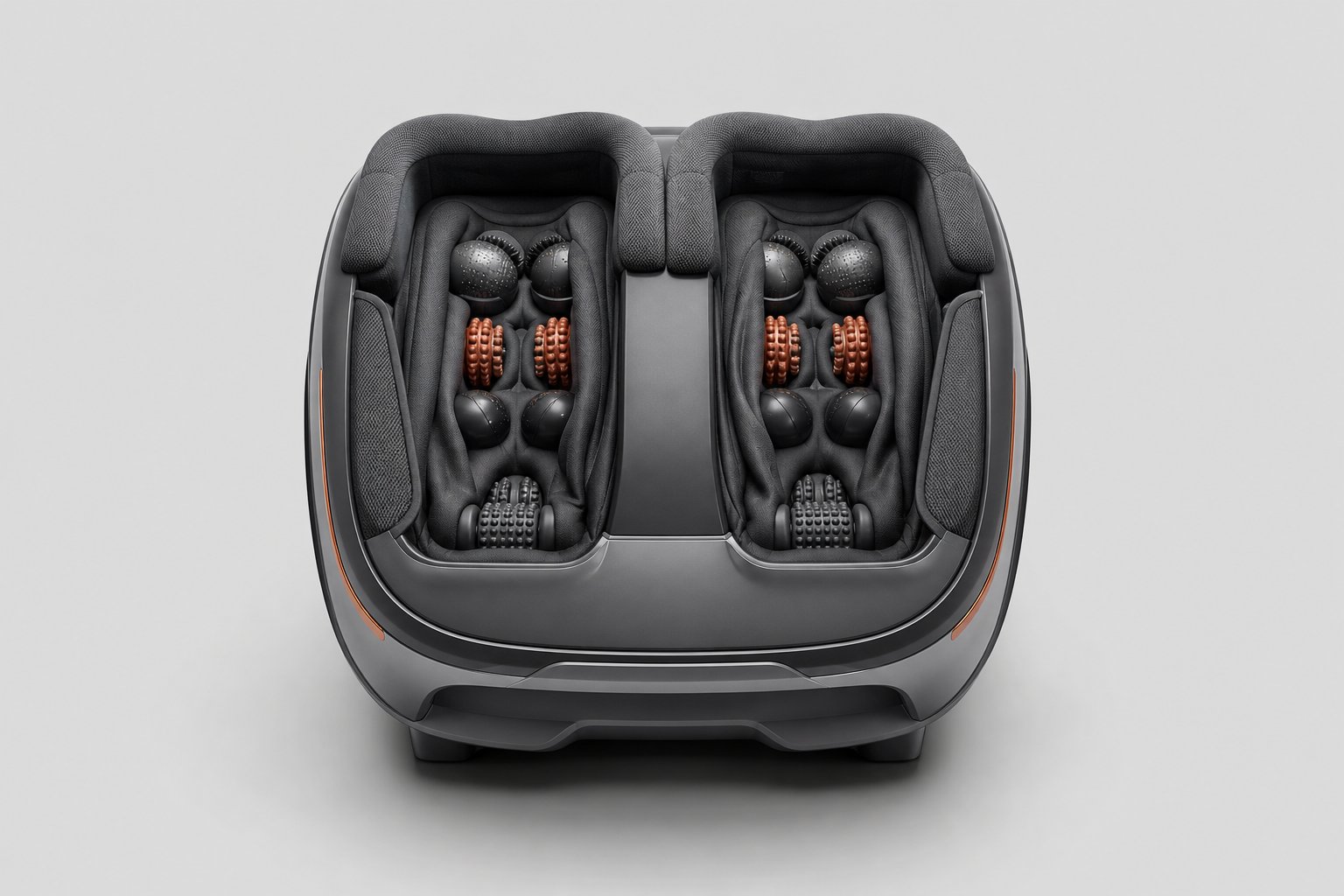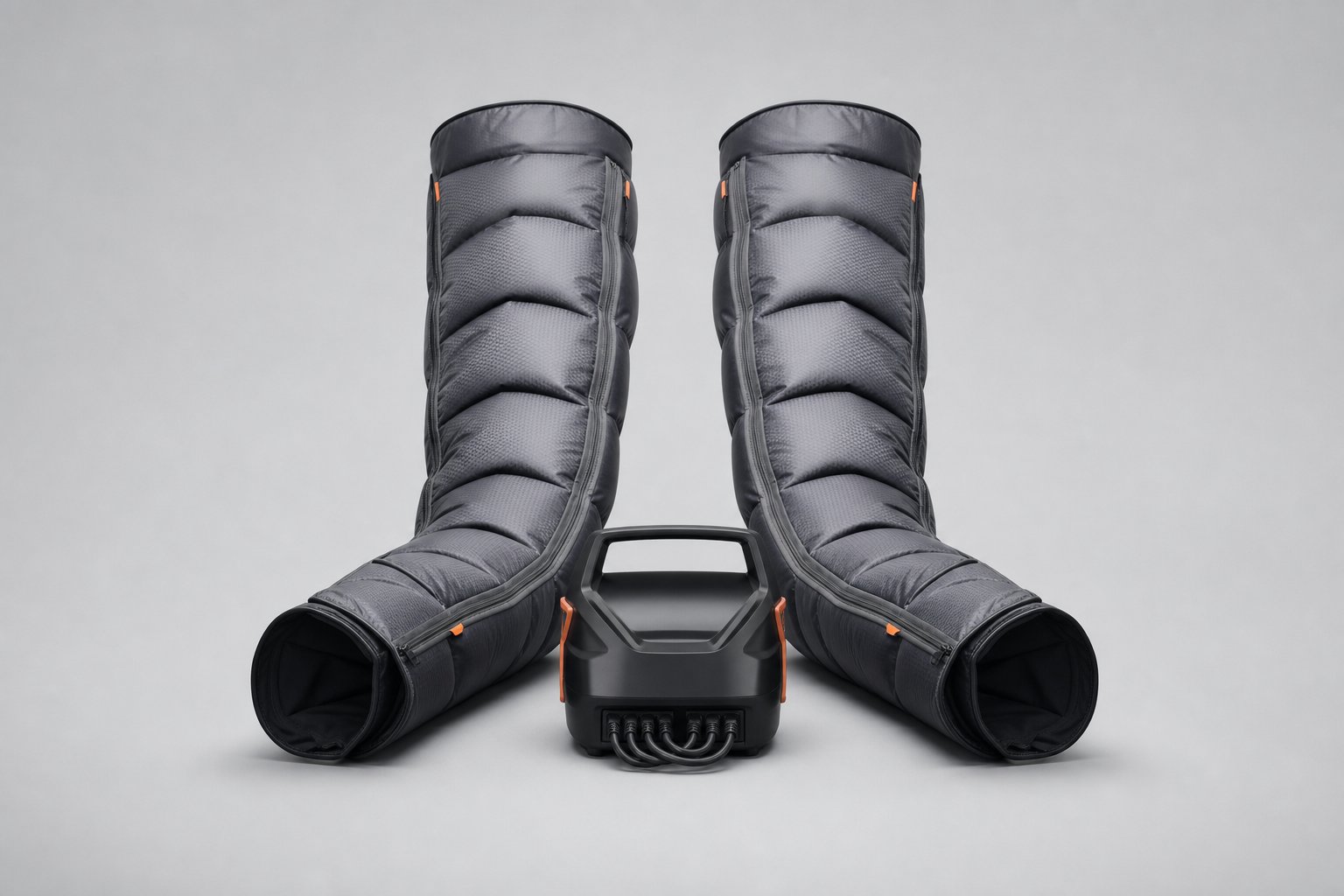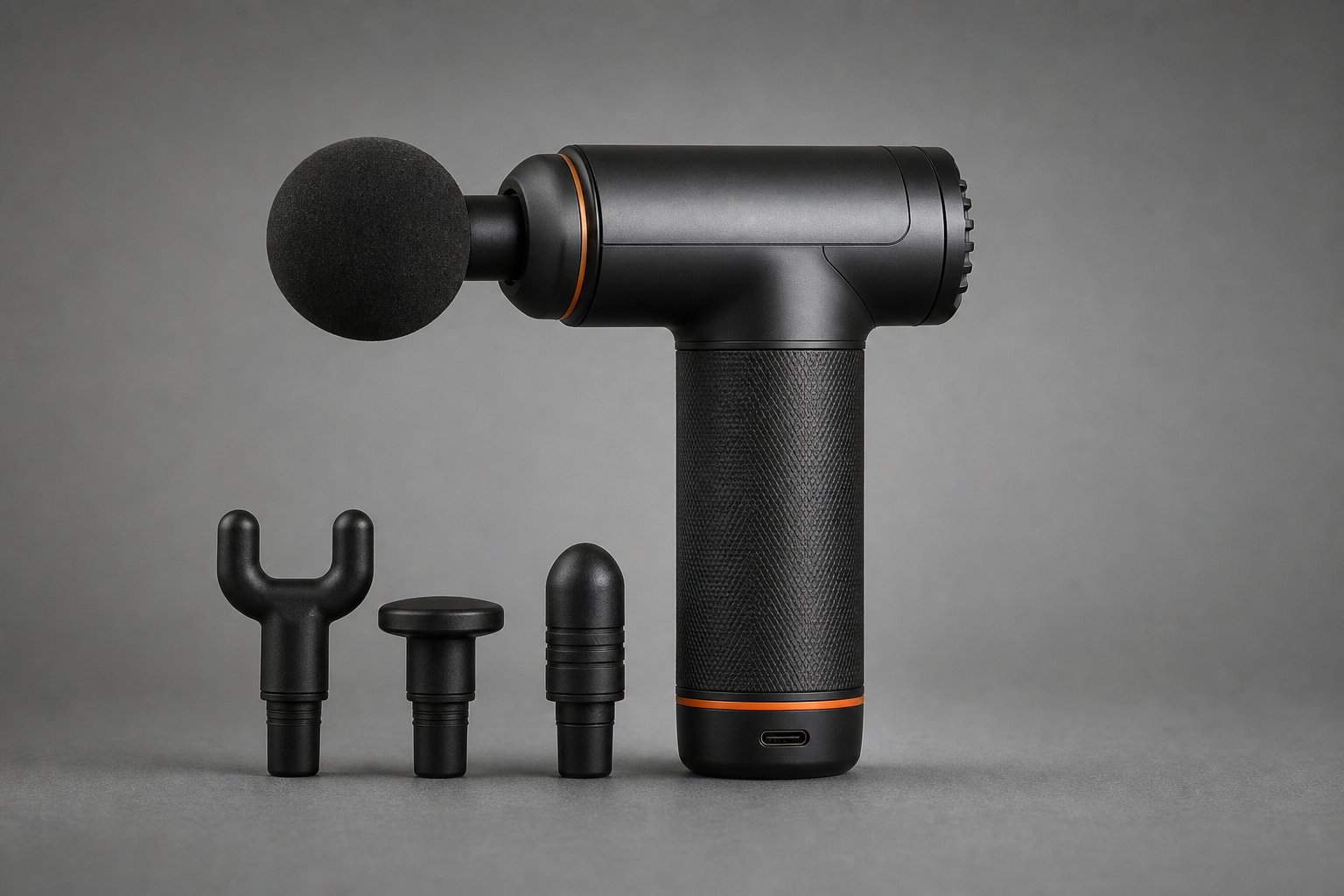
Define intended use, mechanism, stroke, speed, motor, noise-test conditions, power supply and controls for each proposed device. Request the actual manufacturer’s specifications, relevant declarations and test evidence, inspection plan and parts arrangements. Regional industry context does not establish a supplier relationship, clinical effect, measured performance or completed ageing inspection.
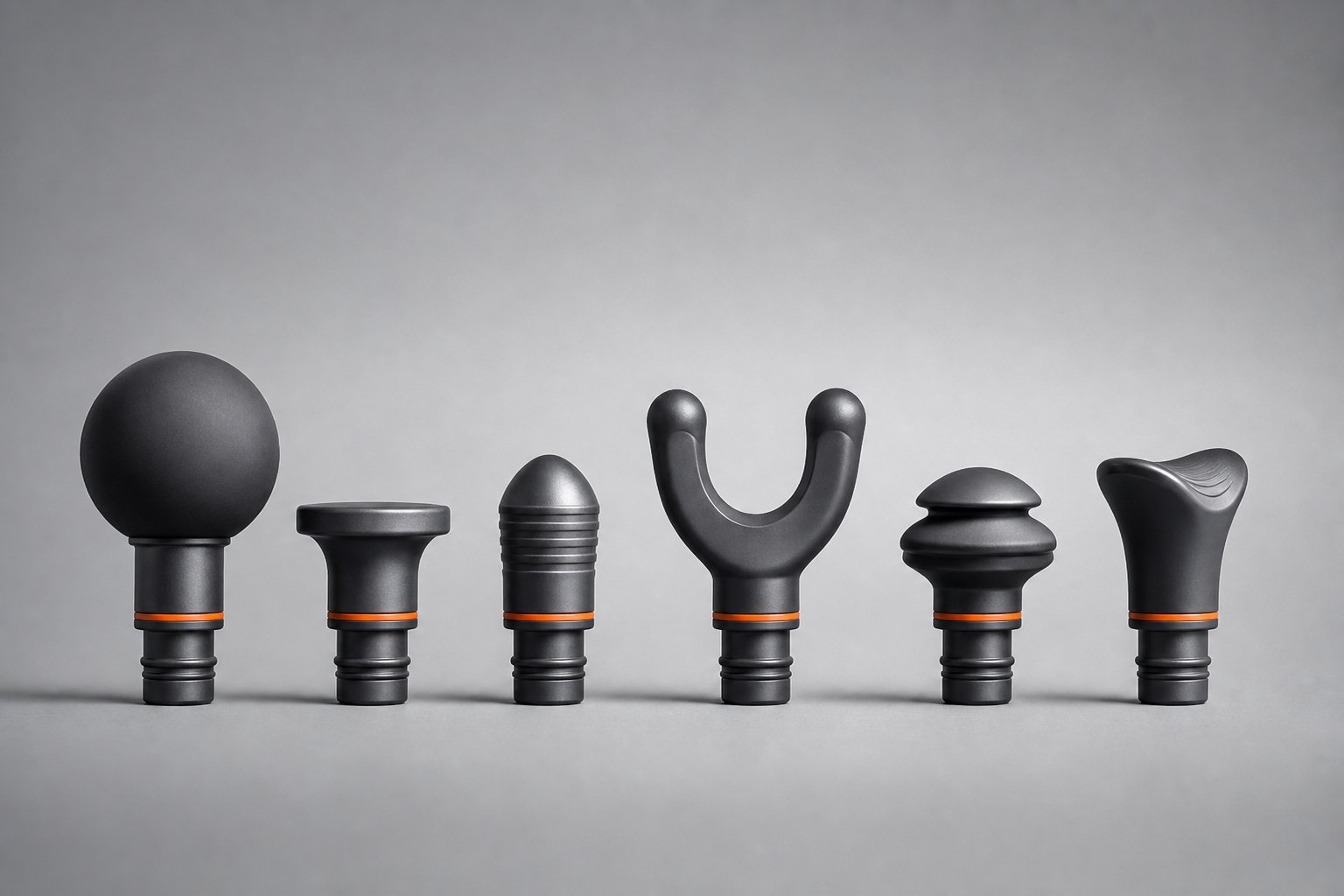
Equipment and production images are generated illustrations. They do not document a named supplier, factory, test or stocked model.
Specify the measurement methods for stroke and speed, operating load, noise and power. Compare the proposed devices against the intended use and user instructions. A stroke or speed figure alone does not establish a therapeutic effect, tissue depth or a professional performance grade.
Confirm dimensions, mass, charging interface, battery, controls, instructions and packaging. Assess parcel and battery-transport requirements for the actual SKU.
Compare handle geometry, motor and control system, measured stroke, speed settings and duty limits. Request actual test conditions and user instructions for the named model.
Specify head materials, shape, dimensions, connection and compatibility with the named device. Confirm kit contents, cleaning instructions, durability and replacement availability.
Identify the actual mechanism, electrode or contact surfaces where relevant, heat controls, power supply and intended use. Review safety requirements, product status and substantiation before making health or performance claims.
Compare the actual mechanism, fit, controls, power supply, safety functions and user limits. Agree functional and durability checks and the required records for the proposed model.
Specify cuffs, hoses, controllers and interfaces and verify intended use, compatibility, user instructions and applicable product status for the actual system.
| Parameter | Model data to request | Test conditions and evidence | Procurement decision |
|---|---|---|---|
| Stroke / travel | State the measured full travel, tolerance and method for the named model. | Record the head, speed setting and operating load used to measure travel. | Compare the supported operating modes and user instructions with the intended-use brief. |
| Motor | Identify the motor, controller, duty limits and serviceable components. | Request functional, thermal and durability records with their load and duration conditions. | Compare required operating time, maintenance access, replacement parts and service cost. |
| Speed | State measured speed ranges and adjustment steps under a defined load. | Record the speed instrument, head, load and battery state used for each reading. | Assess control stability and usable settings against the intended application and instructions. |
| Noise — define the measurement conditions | Request the measured sound level with operating mode and distance stated. | Record background noise, mounting, head, speed and load for comparable measurements. | Compare results only under equivalent conditions and review any vibration or abnormal-noise findings. |
| Battery | Identify the cell or pack, chemistry, voltage, capacity and protection arrangement. | Request charge/discharge and runtime conditions, thermal checks and relevant battery test information. | Match operating-time, charging, replacement and transport needs to the actual battery evidence. |
Use consistent measurement conditions when comparing supplier proposals. Match the specification and evidence to the actual model, revision and intended use. Identify applicable legislation and request the corresponding declarations, reports, labels and instructions. For lithium batteries, confirm the actual cell or battery type, relevant UN 38.3 evidence, transport configuration and carrier requirements.
Use dated, category-specific market evidence when evaluating a range. A broad forecast does not establish demand, margins, safety or clinical suitability for a selected device.
Assess demand, competition, substantiated claims, sample performance and total delivered cost for the intended channel. Compare product and service evidence against a written brief rather than assuming a price tier is scarce or a category remains profitable.
Agree diagnosis, warranty coverage, parts identifiers, supply locations, service ownership and the allocation of labour and freight. Confirm whether component replacement is appropriate and who is qualified to perform it; no reserved parts or completed factory tests are assumed.
Provide the proposed housing, branding, controls and software requirements. Confirm feasibility, intellectual-property rights, tooling ownership, samples, quantities, testing, costs and approval milestones with the actual manufacturer. App compatibility must be demonstrated for the required functions.
Identify the battery chemistry, configuration, watt-hour rating, packing and transport mode. Request the relevant UN 38.3 test summary and required transport information, then confirm classification, packing, marks, documents and acceptance with qualified transport providers under the current rules. No generic sea or air route is assumed to be permitted.
Equipment-grade oversized items in the recovery lane — a high-ticket companion.
Placing massage devices inside three tiers of recovery-space plans.
Review model-specific electrical, functional and transport evidence before accepting a device.
Share your categories, quantities, intended use, destination and target retail price range. Include the required ship date and any known technical, packaging or document requirements so the sourcing team can respond to the specific project.