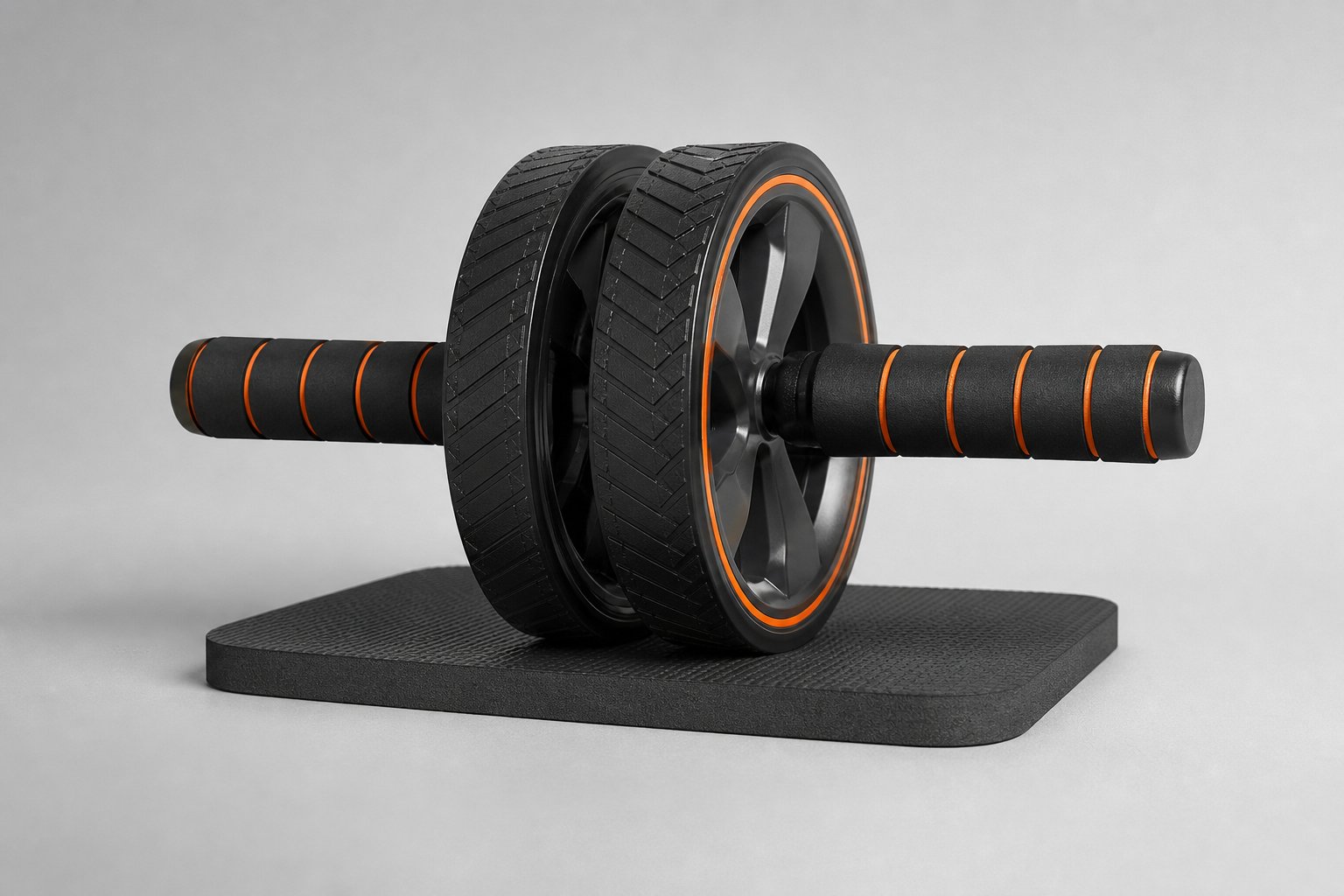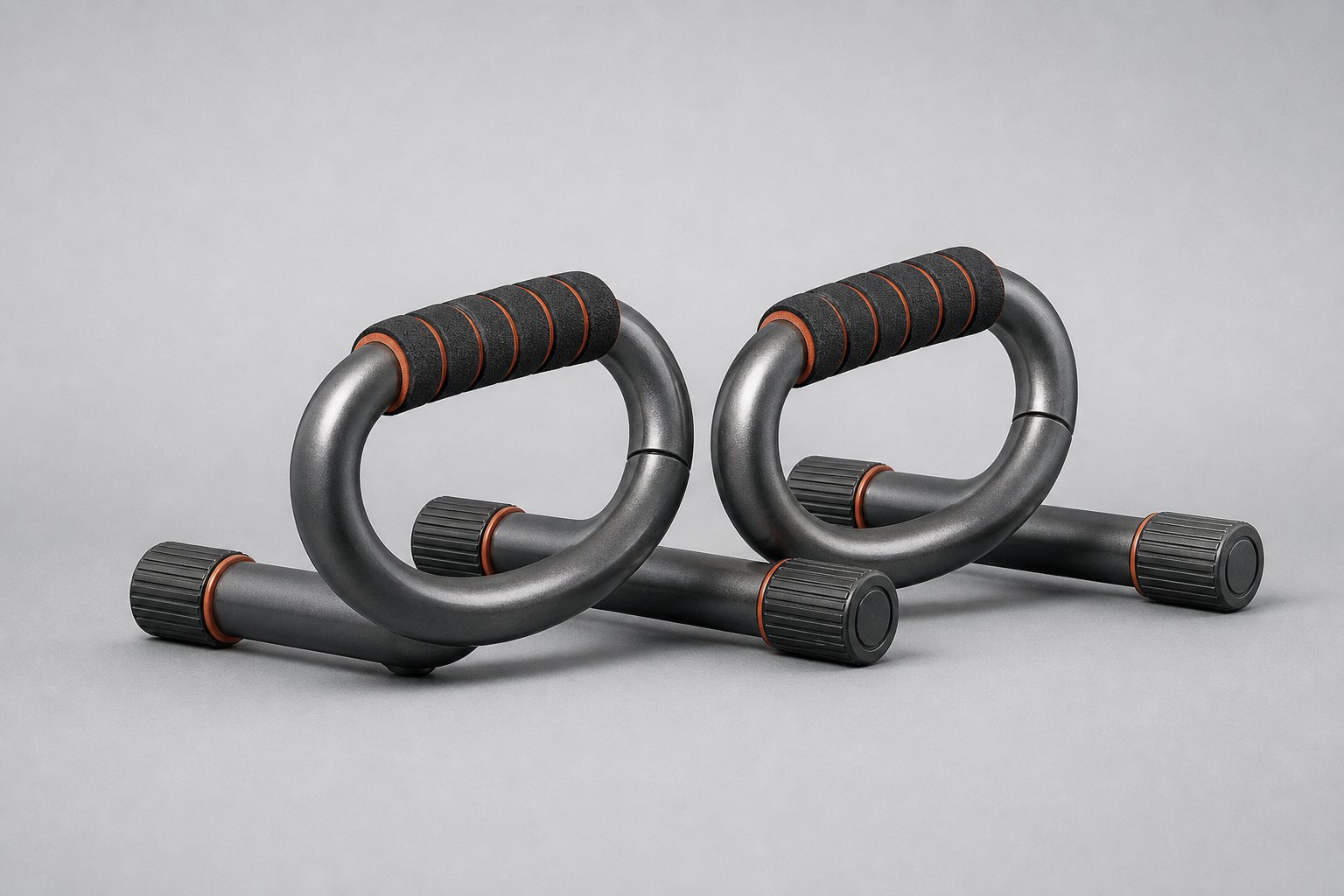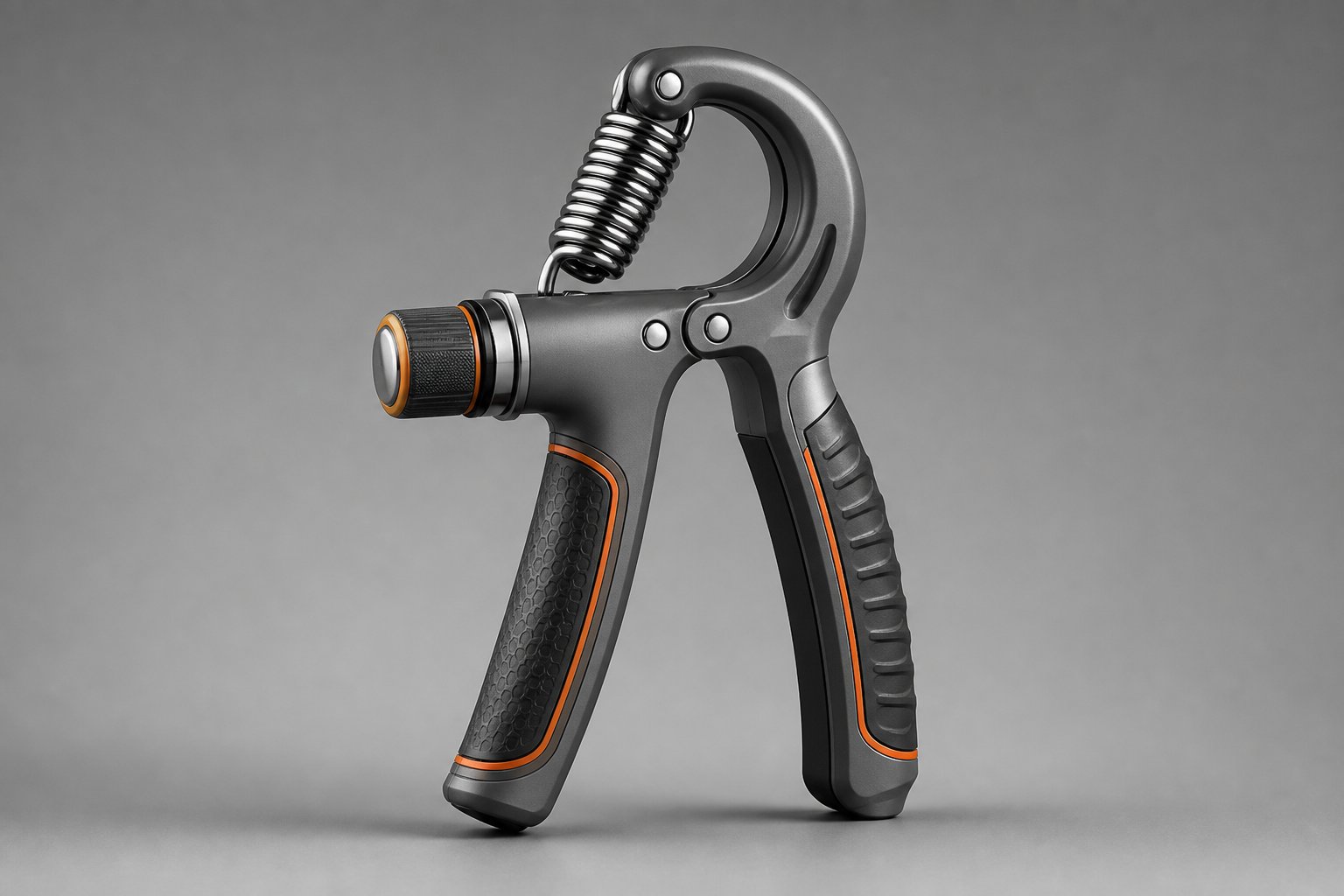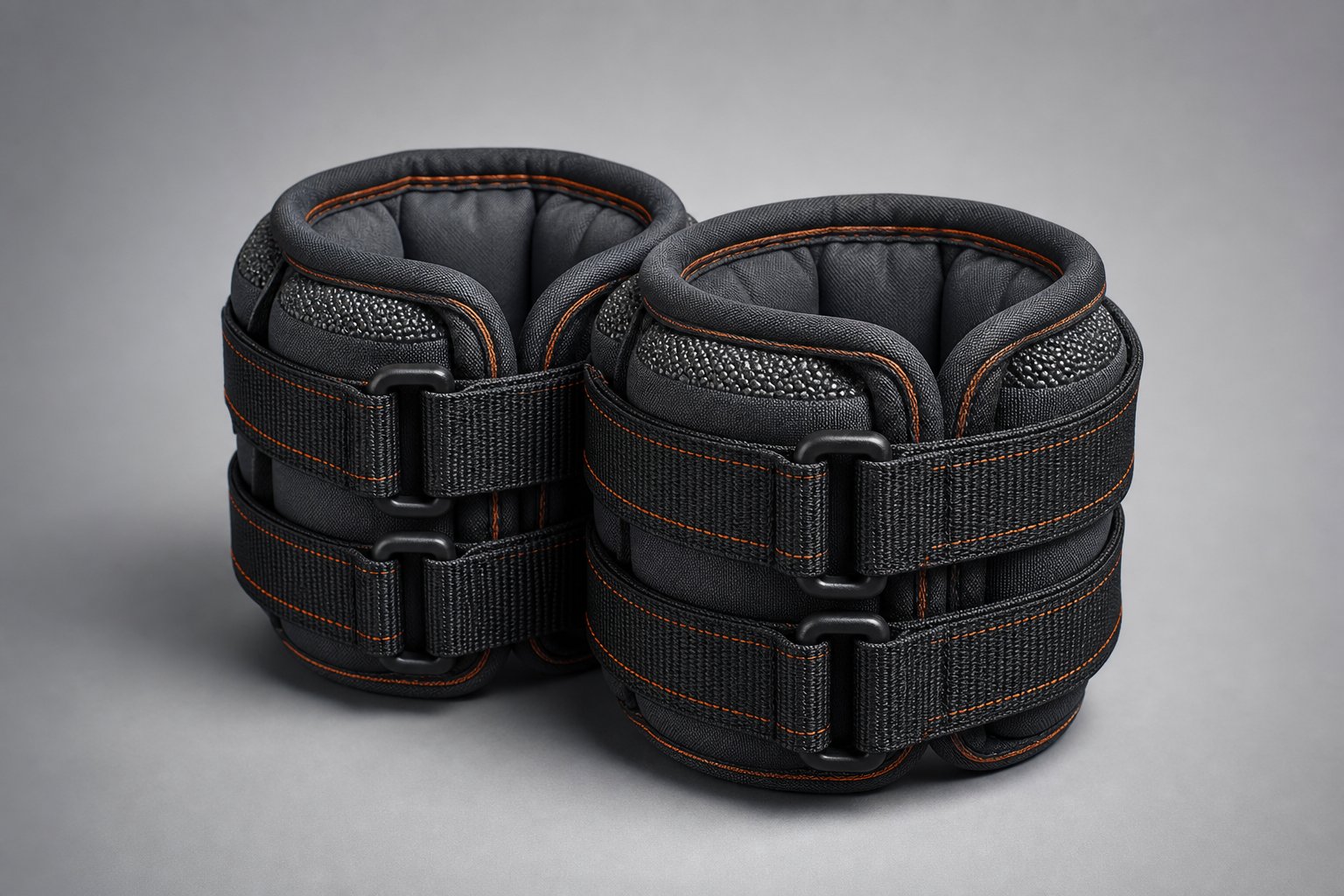
Compare accessory SKUs against the intended users, selling channel, construction, durability, packed dimensions and delivered cost. Define retail packaging, instructions, labelling and fulfilment requirements for the actual order. Do not infer repeat purchases, conversion, parcel suitability or dispatch timing from a product category alone.
Equipment and production images are generated illustrations. They do not document a named supplier, factory, test or stocked model.
Use actual demand and unit economics to choose a range. Compare product and packaging samples, structural and functional checks, shipping constraints and customer-support needs. A low unit price or light net weight does not establish a profitable or reliable fulfilment model.
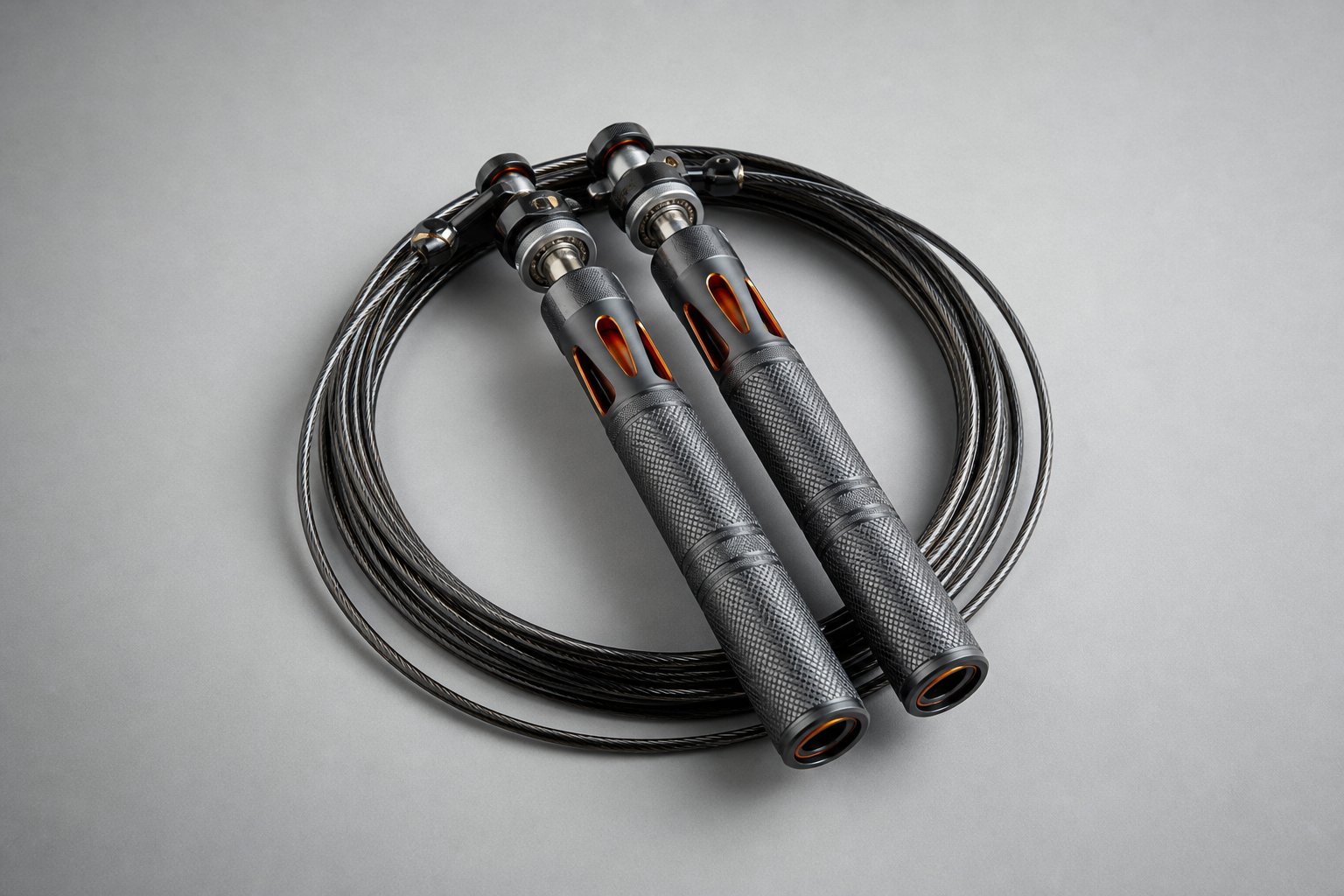
Specify rope construction, handles, bearings, joints, length adjustment and any counting functions. Confirm the actual formats offered, user instructions and relevant durability checks.
Compare wheel layout, axle, handles, return mechanism where present, user limits and supplied mats. Ask for stability and durability evidence rather than assuming quiet or automatic rebound performance.
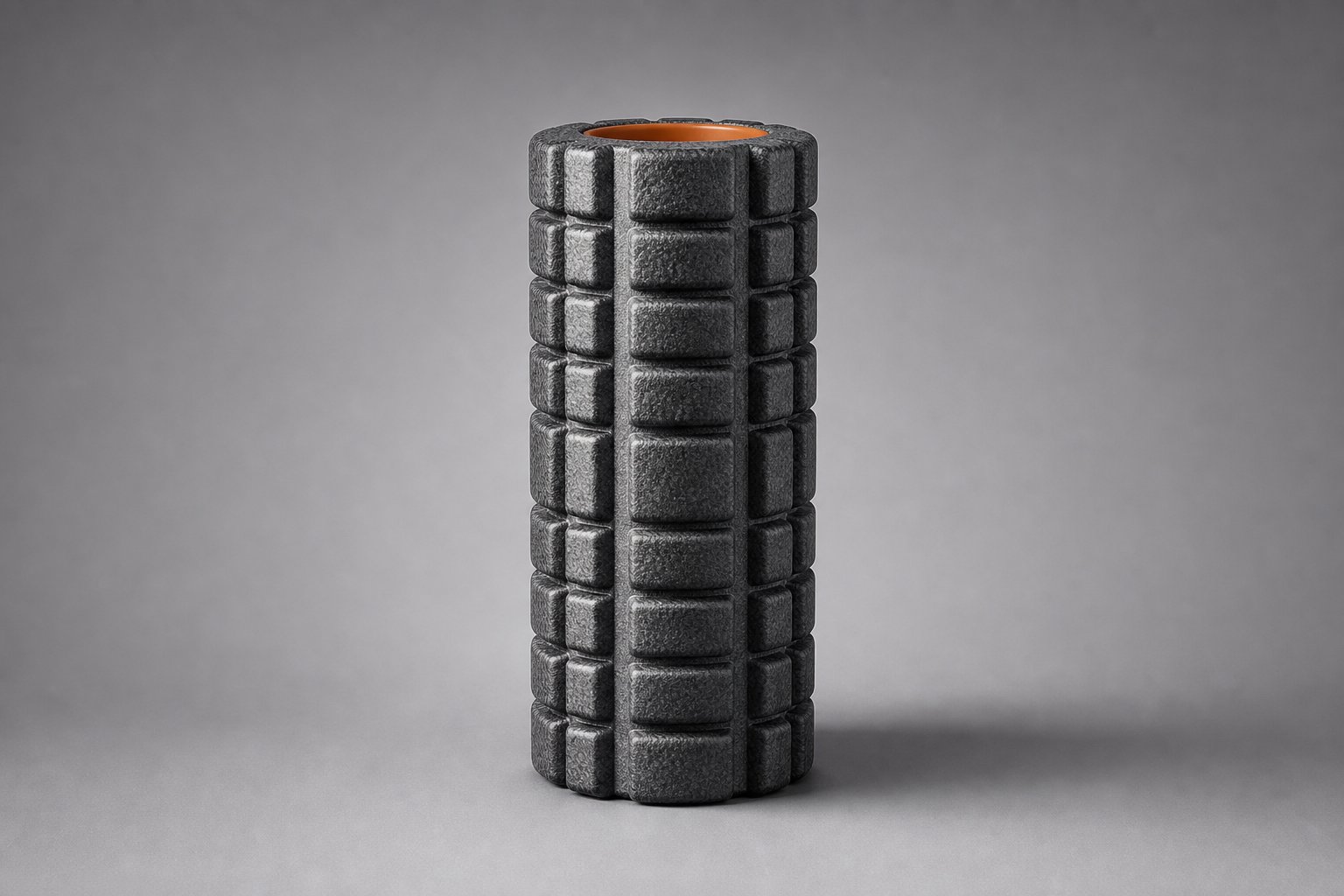
Confirm composition, density, dimensions, texture and shape-recovery criteria. Compare actual samples and relevant material and durability records.
Specify ball dimensions, composition, valve, inflation instructions, intended use and load-test conditions. Require model-specific evidence for any puncture-behaviour or anti-burst claim.
Compare base geometry, stability, handles, grip and rated-load test conditions. Confirm packed size and delivery suitability for the selected design.
Specify the resistance mechanism, adjustment range, handles and fatigue-test conditions. Review intended users and instructions; do not infer rehabilitation suitability from the product name.
Define shell, seams, closures, filling, adjustment and mass distribution. Agree leakage, durability and marking checks for the proposed product and intended exercises.
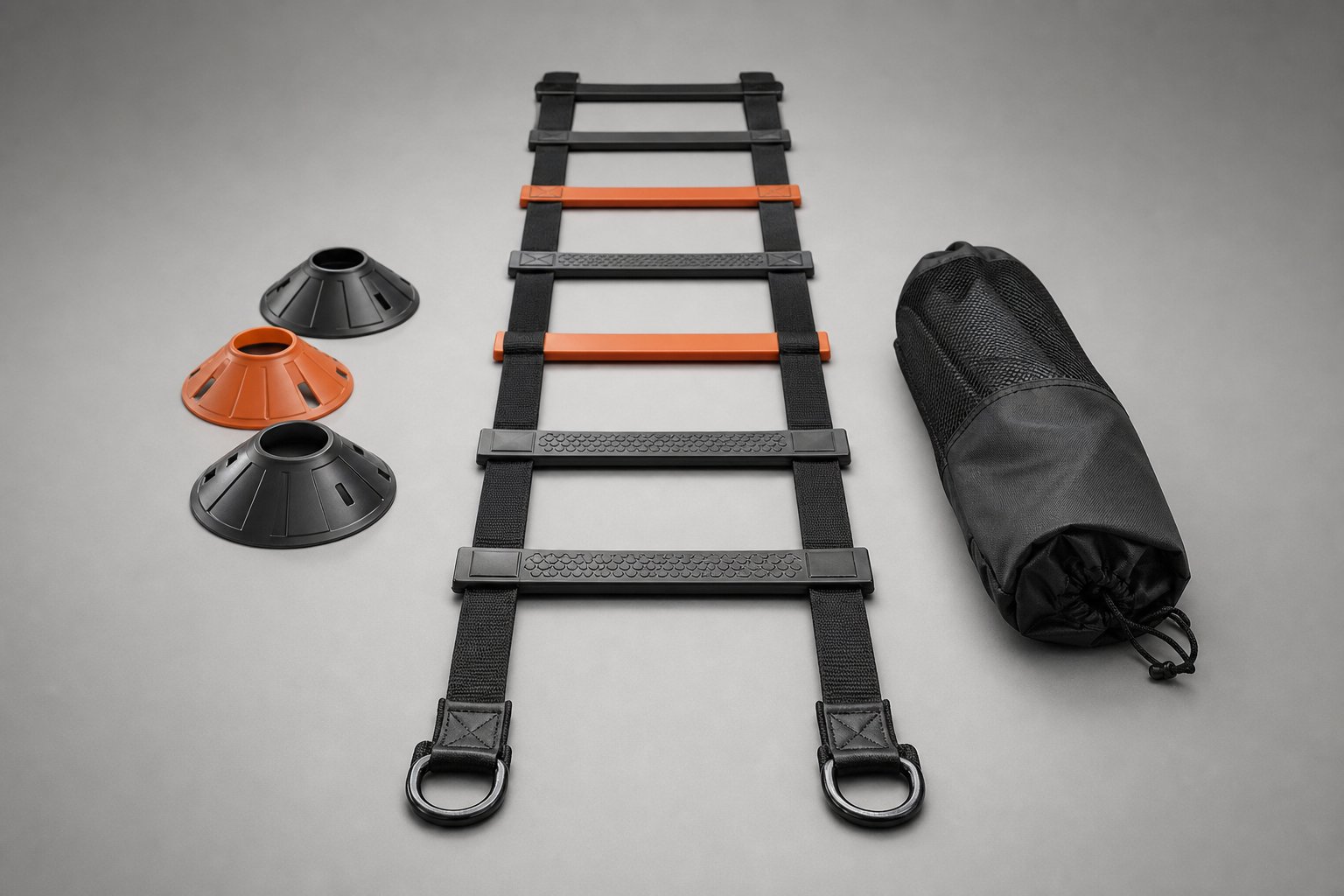
Specify ladder or cone dimensions, materials, connection details and set contents for the intended training setting. Confirm storage, handling and instructions for the actual audience.
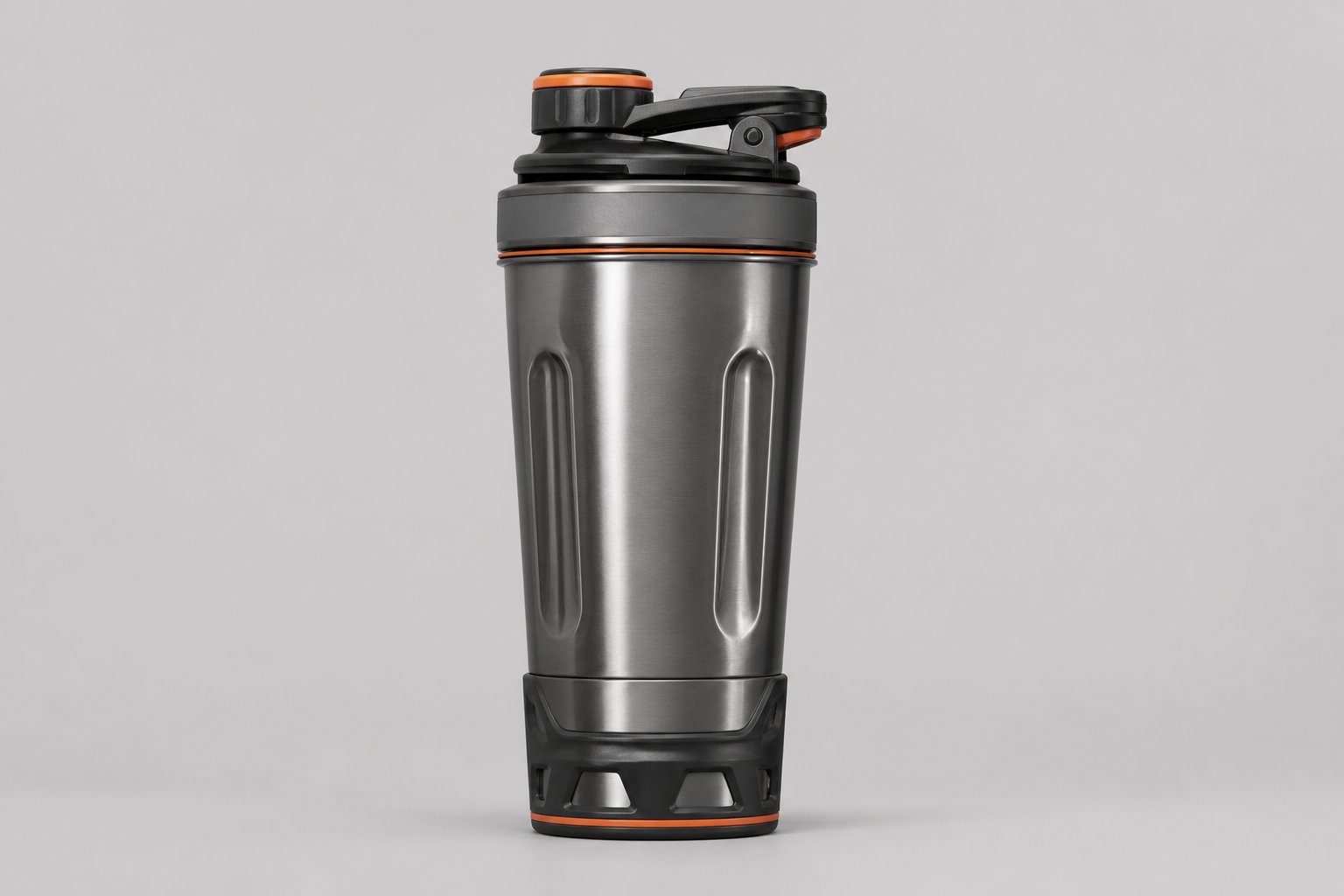
Identify the actual body, lid, seal and coating materials and intended food-contact conditions. Request applicable material declarations and test evidence for the destination; no generic food-grade report is assumed.
| Product | Packed mass and dimensions | Proposed fulfilment route | Packaging |
|---|---|---|---|
| Jump ropes / grippers / push-up bars | Measure the complete retail pack, including handles, cables and agreed spare components, with cords secured. | Quote the actual parcel size, mass and destination; confirm handling rules for hard or protruding components. | Secure cables, handles and moving joints, isolate hard edges, and verify the actual accessories included. |
| Foam rollers / mini band sets | Record roller length, diameter and the packed band-set contents; assess both actual and volumetric charging inputs. | Compare routes using the final uncompressed pack dimensions and the provider’s charging basis. | Protect rollers from crushing or permanent deformation and bands from sharp edges; agree recovery checks after packing. |
| Yoga balls (boxed) | Measure the agreed deflated or folded pack with the valve, pump and instructions included only as specified. | Confirm parcel acceptance and destination coverage for the actual packed ball and any agreed inflation accessories. | Protect valves and seams, specify the deflation and folding method, and verify pump type and set contents. |
| Weighted vests / sandbags / agility ladders | Measure the packed SKU | Assess actual parcel, freight or warehouse options | Confirm reinforcement and carrying items for the selected contents |
Use actual packed data and the proposed provider’s current terms. Neutral presentation must retain required manufacturer, importer and safety information. Stock, labels, release work, dispatch, tracking and returns require separate agreement for the actual SKU.
Compare demand, competition, samples, support needs and total delivered cost for the proposed sales channel. Set a manageable trial assortment and defined measures for evaluating it; no product is guaranteed to sell first or deliver repeat purchases.
Provide artwork, pack dimensions, protective requirements and required instructions. Confirm available marking methods, quantities, samples, costs, market languages and approval responsibilities before ordering custom packaging.
Review failure modes for the actual construction, including joints, valves, shape recovery and load-bearing parts where relevant. Agree inspection methods, sample acceptance, spare-part needs and the handling of customer complaints with the responsible supplier.
Provide the destination fulfilment centre and current marketplace shipment requirements. Confirm product and carton labels, carton data, booking, carrier acceptance and inbound ownership for the actual order. Do not assume every accessory or route qualifies.
Share your categories, quantities, intended use, destination and target retail price range. Include the required ship date and any known technical, packaging or document requirements so the sourcing team can respond to the specific project.