Compare treadmills, rowing machines, ellipticals and exercise bikes against the intended users, frequency of use, site and sales channel. Request the actual manufacturer and model specification, including power supply, resistance system, dimensions, safety functions, test conditions, packing and service arrangements. Regional manufacturing context does not establish the performance or availability of a particular product.
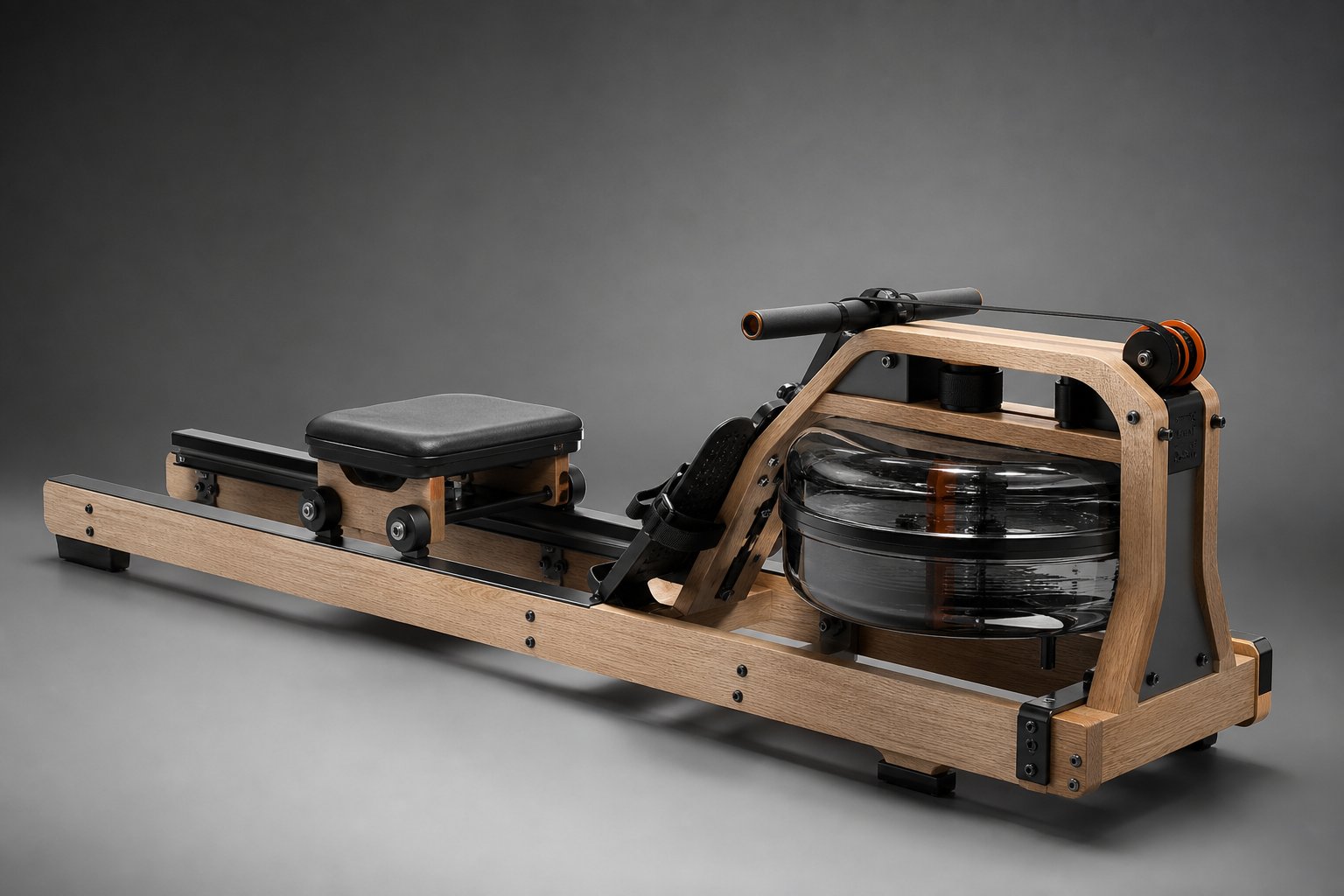
Equipment and production images are generated illustrations. They do not document a named supplier, factory, test or stocked model.
Compare measurable requirements rather than marketing labels. Define how motor power, belt performance, resistance and operating noise will be assessed for the proposed model. Agree inspection and safety checks with the responsible supplier, and request the actual records before accepting the equipment.
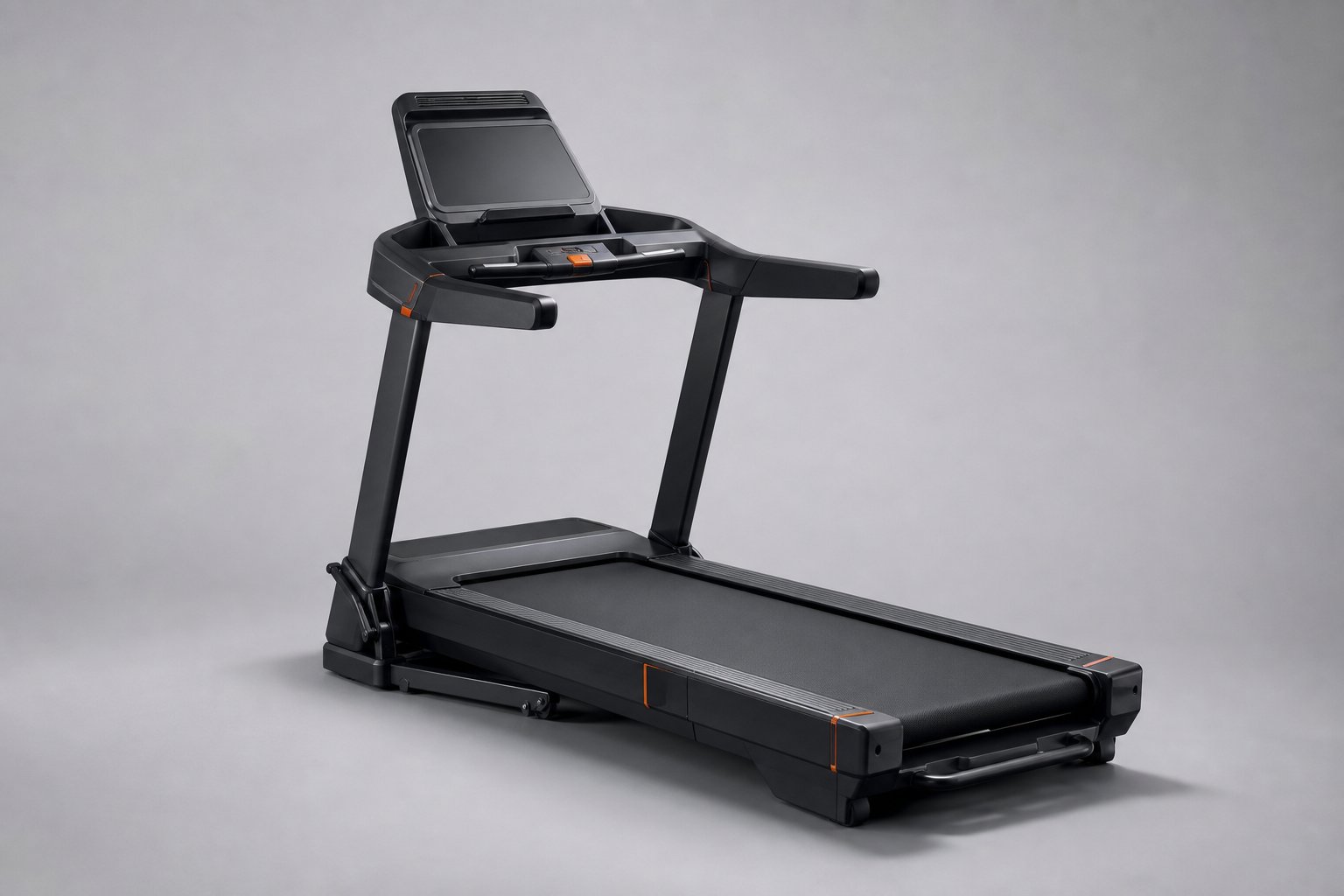
Specify motor duty, running-surface dimensions, folding and locking mechanisms, installation clearances and electrical configuration. Confirm any app-pairing function and the actual user instructions.
Describe the anticipated frequency, duration and supervision of use. Compare motor and drive specifications, running surface, speed control, safety functions and applicable model tests against that brief.
Compare rail materials, dimensions, resistance mechanism, tank construction where applicable, storage and maintenance access. Ask for test evidence supporting any noise or leakage claim.
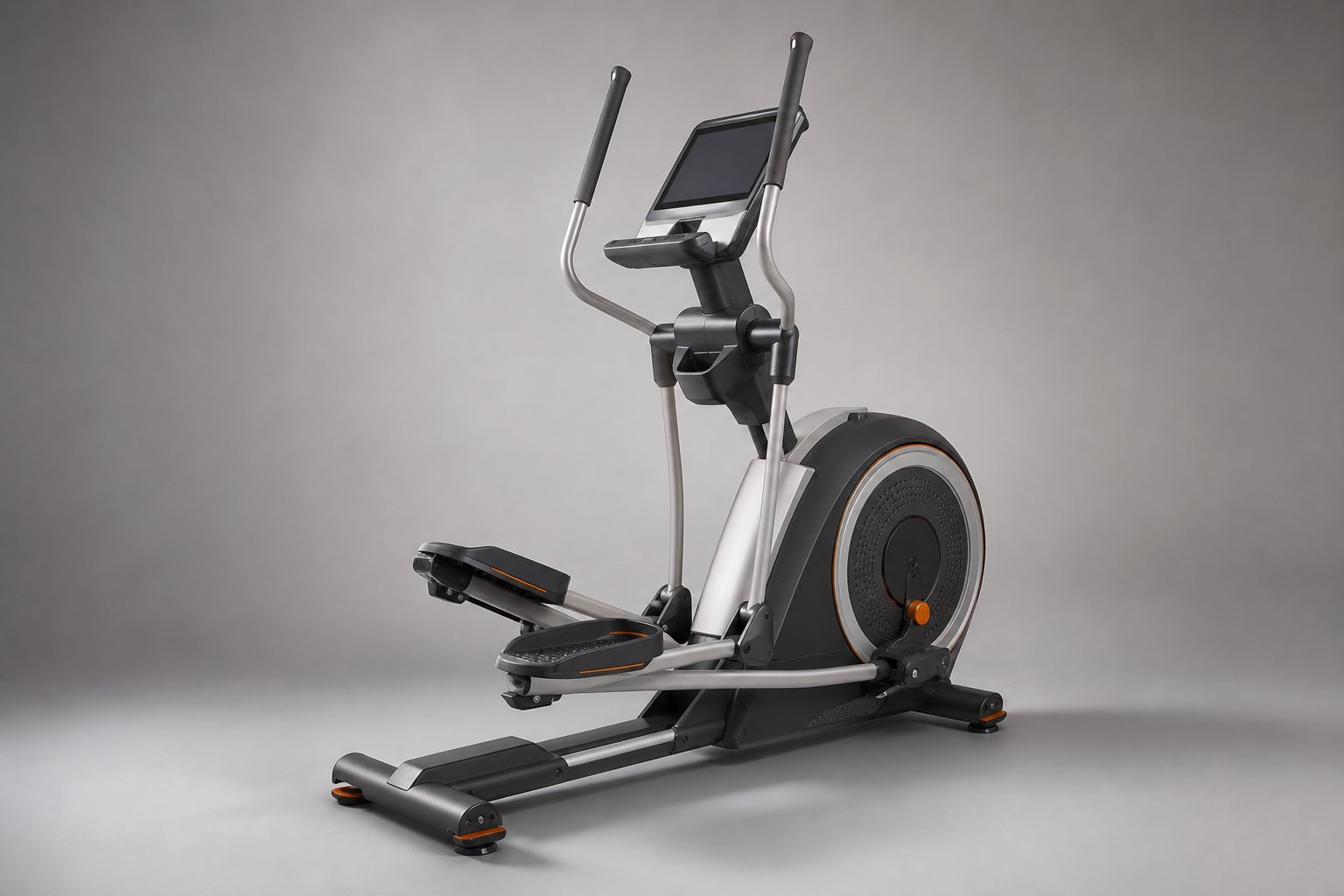
Compare stride geometry, resistance adjustment, flywheel specification, user-size range and stability. Confirm the installation footprint, moving clearances and the measurement basis for noise claims.
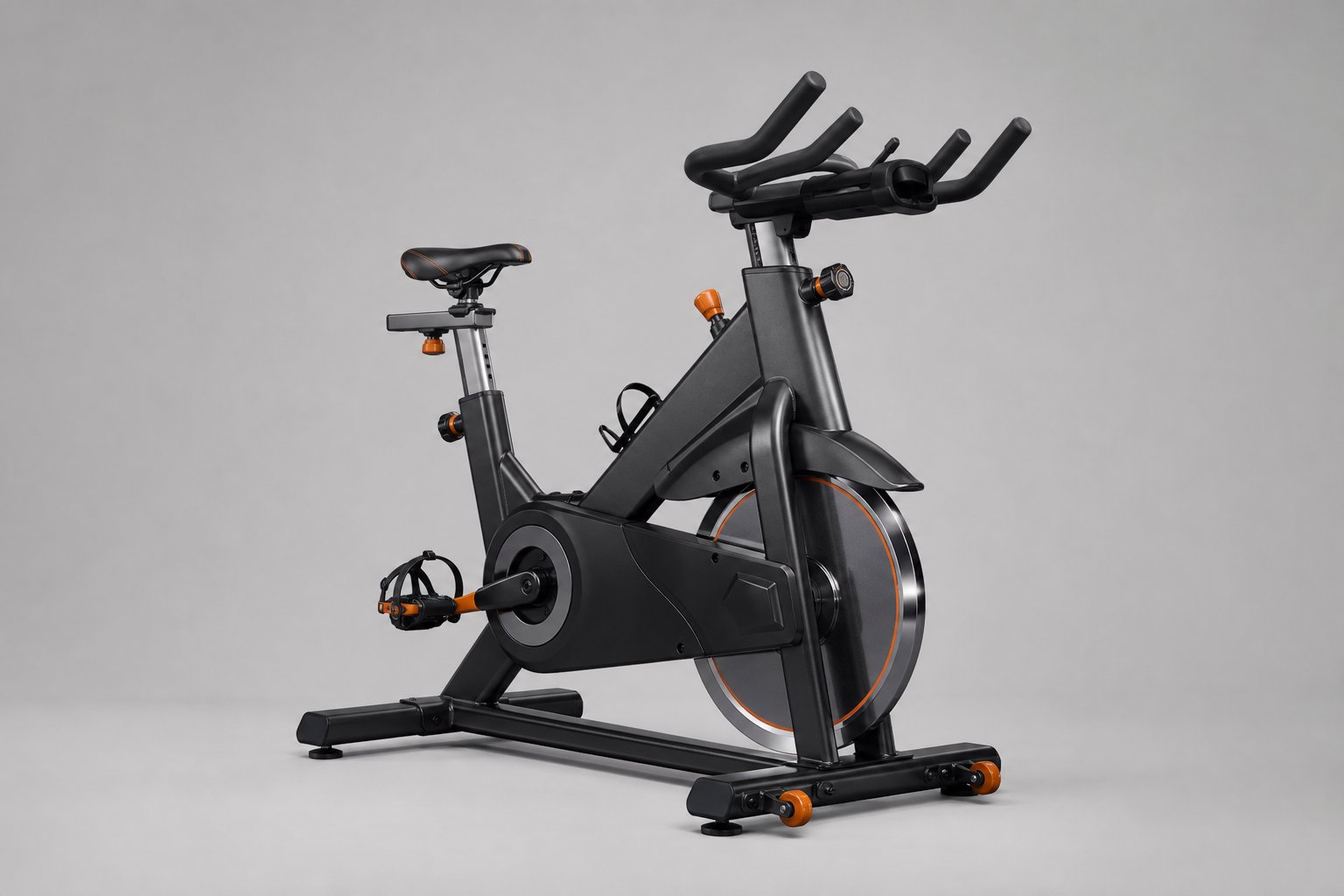
Specify the resistance and drive system, flywheel mass, adjustment range, pedals and maintenance needs. Request the intended-use classification and model-specific safety and durability evidence.
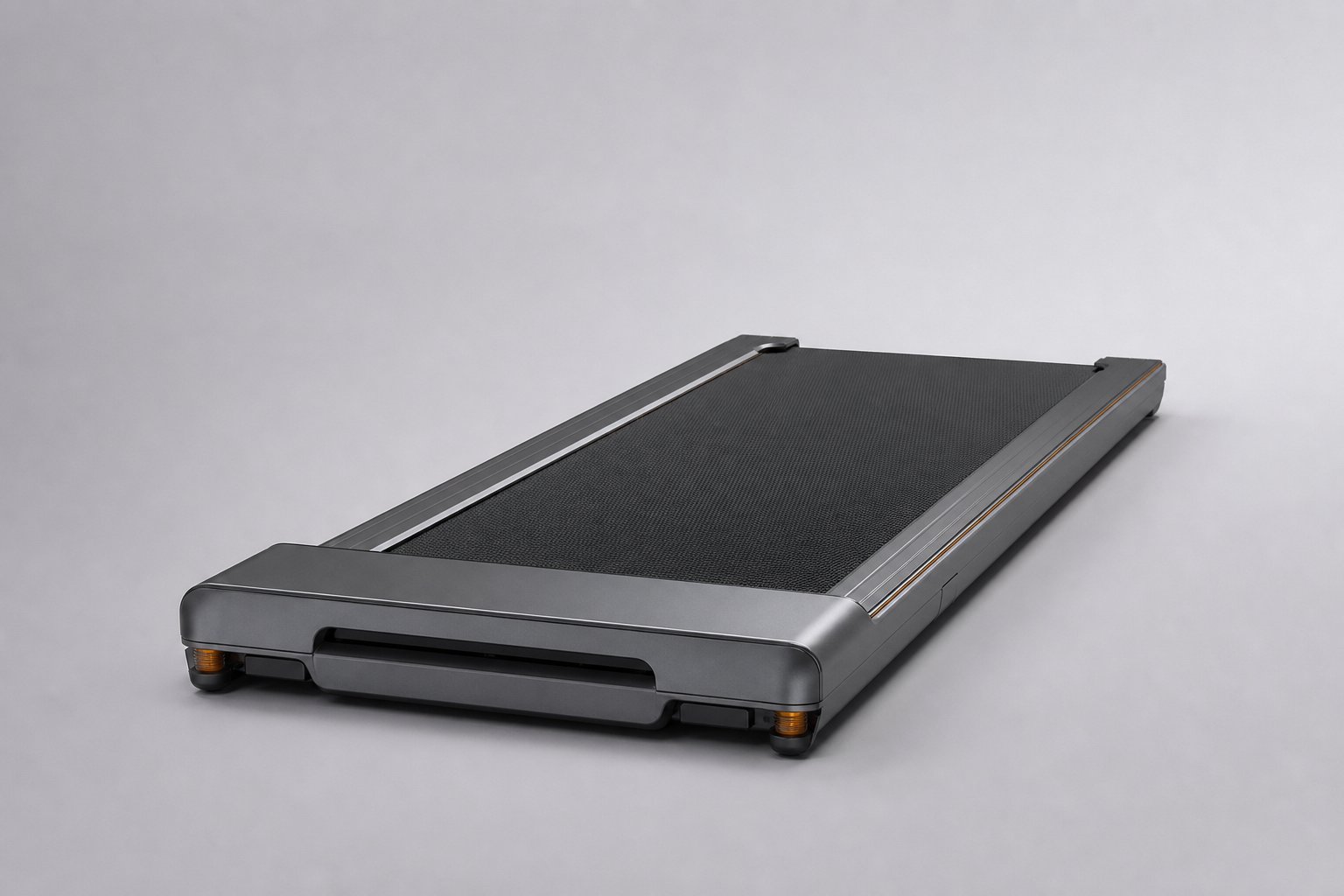
Assess walking pads and under-desk products by usable surface, speed controls, user instructions, storage and packed weight. Confirm parcel suitability and destination coverage for the actual packed SKU.
| Component | Parameter | Information to request |
|---|---|---|
| Motor | Power | State continuous and peak power separately with voltage, duty conditions and measurement method. Confirm the actual motor and controller identifiers. |
| Running belt | Thickness / width / plies | Describe the actual belt construction, usable dimensions, materials and acceptance criteria rather than relying on a generic technology label. |
| Flywheel / resistance | Flywheel weight / resistance levels | State actual flywheel mass where relevant, resistance adjustment and the test method. For water and air systems, identify the operating conditions used for comparisons. |
| Noise | In-use noise | Specify measurement distance, background noise, operating speed, load and installation surface so noise figures can be compared meaningfully. |
Identify the applicable parts of ISO 20957 and any relevant electrical or other legislation for the actual product and destination. CE marking is required only where applicable legislation requires it; a generic directive list is not evidence of model compliance. Request matching declarations, reports, labels and instructions from the responsible supplier.
Use dated, category-specific market evidence when evaluating demand. A market forecast does not demonstrate demand for a particular SKU, and no sales projection is assumed in this comparison.
Describe the actual users, frequency, session duration, supervision and site conditions. Compare the manufacturer’s intended-use limits, configuration and applicable test evidence against that brief. Do not assign a universal daily-hours rating from a home or light-commercial label.
Agree fault diagnosis, warranty scope, service contacts, part identifiers, stocking locations, supply period and the allocation of labour and freight. Confirm whether component replacement is feasible and safe for the actual user and destination; no stocked spares or completed tests are assumed.
Specify the required app, protocol, console functions, data exchange and ownership of software work. Ask the proposed supplier to confirm compatibility, development scope, sample testing, costs and approval criteria before promising an integration.
Compare packing and assembly options using actual carton dimensions, mass, handling constraints and destination. Request freight and warehouse quotations with clearly assigned customs, unloading and final-delivery responsibilities. Confirm tariff classification and current charges with the importer or broker.
Compare the equipment and installation requirements for an adjacent recovery range.
Read dated regional research separately from supplier-specific verification.
Plan product-specific documentation, inspection responsibilities and test evidence.
Share your categories, quantities, intended use, destination and target retail price range. Include the required ship date and any known technical, packaging or document requirements so the sourcing team can respond to the specific project.