Every powered recovery device a European customer buys — massage guns, compression boots, heated pads — carries RoHS obligations that attach to the importer, and RoHS is unusual among the compliance topics in this series for being genuinely simple: one directive, ten restricted substances, one conformity route that usually piggybacks on the CE process the device already needs. Sellers who understand the scope and the documentation turn RoHS from a vague worry into a line in the supplier spec. This guide covers the mechanism as it applies to massage and recovery electronics.
The scope: what counts and what does not
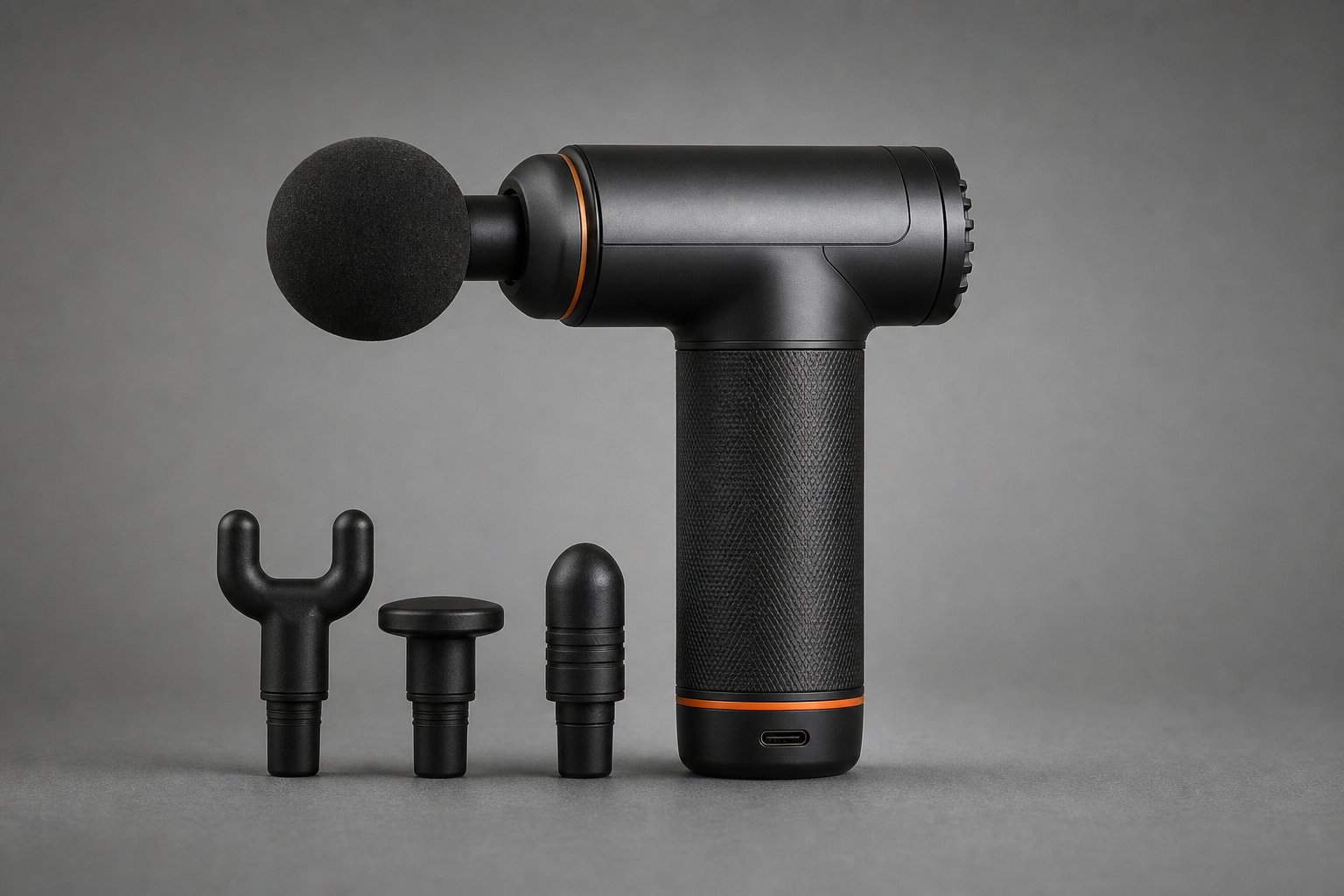
RoHS applies to electrical and electronic equipment — devices dependent on electric current or electromagnetic fields to function — which captures every powered massage and recovery product: guns with brushless motors, compression systems with pumps and controls, heated tools, EMS units. Unpowered accessories (foam rollers, manual massage tools) fall outside. The boundary cases are instructive: a massage gun is in scope including its battery assembly; its charging cable is in scope; the carrying case is out; the device's printed materials are out. Mapping each SKU's components to in-scope and out-of-scope sets is the first working step, because the spec and evidence requests follow that map.
The ten substances and where they live
The restricted list reads as a map of electronics history: lead in solder, mercury in legacy components, cadmium in platings, hexavalent chromium in conversion coatings, brominated flame retardants in housings and boards, and — the 2015 additions — four phthalates in plasticized materials, which for massage devices means the soft-touch grips, buttons, cables and gaskets. Modern manufacturing for export electronics routinely avoids the first group; the phthalate entries are where fitness-adjacent devices actually meet RoHS, because their soft components use exactly the plasticizer chemistry the earlier chapters discussed. The concentration limits apply per homogeneous material — per solder, per plastic, per coating — which is why the test report is structured by material, not just by product.
Conformity: riding the CE stack
RoHS conformity for these devices does not run separately from the CE process — it is inside it. The device's technical file includes RoHS test evidence, the Declaration of Conformity lists the RoHS Directive among the directives covered, and the CE mark signals the whole stack. The conformity route is typically internal production control: the manufacturer (or importer) assembles test reports and ensures production consistency. This integration is why a seller requesting CE documentation for a massage gun should explicitly request the RoHS line item and its supporting test report — the two arrive together when the file is real, and their separation is itself a red flag.
The report: ten substances across the materials
The working RoHS report for a massage device is usually a combined screening-and-verification document: XRF screening or similar across the device's materials identifying candidates, followed by wet-chemistry confirmation where screening flags concerns, reported per homogeneous material against each of the ten substances. Sellers requesting reports should check three things: the report names the tested model (not just a product family), the materials list maps onto the device's actual bill of materials, and the report is recent enough to describe the current production. A report that fails any of the three is evidence of effort rather than evidence of compliance.
Batteries and cables: the components that travel separately
Two components deserve special attention because they travel through their own compliance regimes on top of RoHS: the battery (which carries transport rules from the battery chapter plus battery-directive obligations) and the external cables and chargers (which sometimes arrive from sub-suppliers without the assembly factory's document chain). The practical safeguard is extending the documentation request to these components explicitly: battery test summaries, cable RoHS evidence, and charger conformity where the package includes one. The device-level report does not automatically cover components the assembly factory bought in, which is exactly the gap a documentation checklist closes.
Writing RoHS into the supplier spec
The spec language is short: all homogeneous materials in the device shall meet EU RoHS 2011/65/EU including the 2015 phthalate additions; evidence per model as a combined test report naming the ten substances across the bill of materials; declarations refreshed on material or supplier changes. That paragraph, inserted into purchase terms, converts RoHS from an abstract regulation into a deliverable the factory owes with each model, and the file it produces answers marketplace requests, retail compliance forms and customs questions in one folder.
| Element | Covers | Seller action |
|---|---|---|
| Scope mapping | In-scope components | Per-SKU component list |
| Combined report | Ten substances, per material | Request per model, check naming |
| Declaration line | RoHS in the CE stack | Verify it names 2011/65/EU |
| Components | Batteries, cables, chargers | Separate evidence requests |
Conclusion
RoHS for massage and recovery devices is the simplest chapter in the compliance stack: ten substances, one report per model, one line in the declaration the CE process already produces. Map the scope, check the report's naming and currency, extend evidence to batteries and cables, and write the requirement into the spec. Tell us your powered device list and we will outline the exact documentation set per model.
Frequently asked questions
Does RoHS apply to battery-powered massage guns? Yes - battery-powered devices are electrical equipment in scope, including the battery assembly; only unpowered accessories fall outside.
Why do the phthalate entries matter most for massage devices? The 2015 additions restrict four phthalates in plasticized materials, and massage devices carry exactly the soft grips, buttons and cables where that chemistry lives.
Is a separate RoHS certificate needed alongside CE? No - RoHS conformity sits inside the CE Declaration of Conformity stack; what matters is the supporting test report per model.