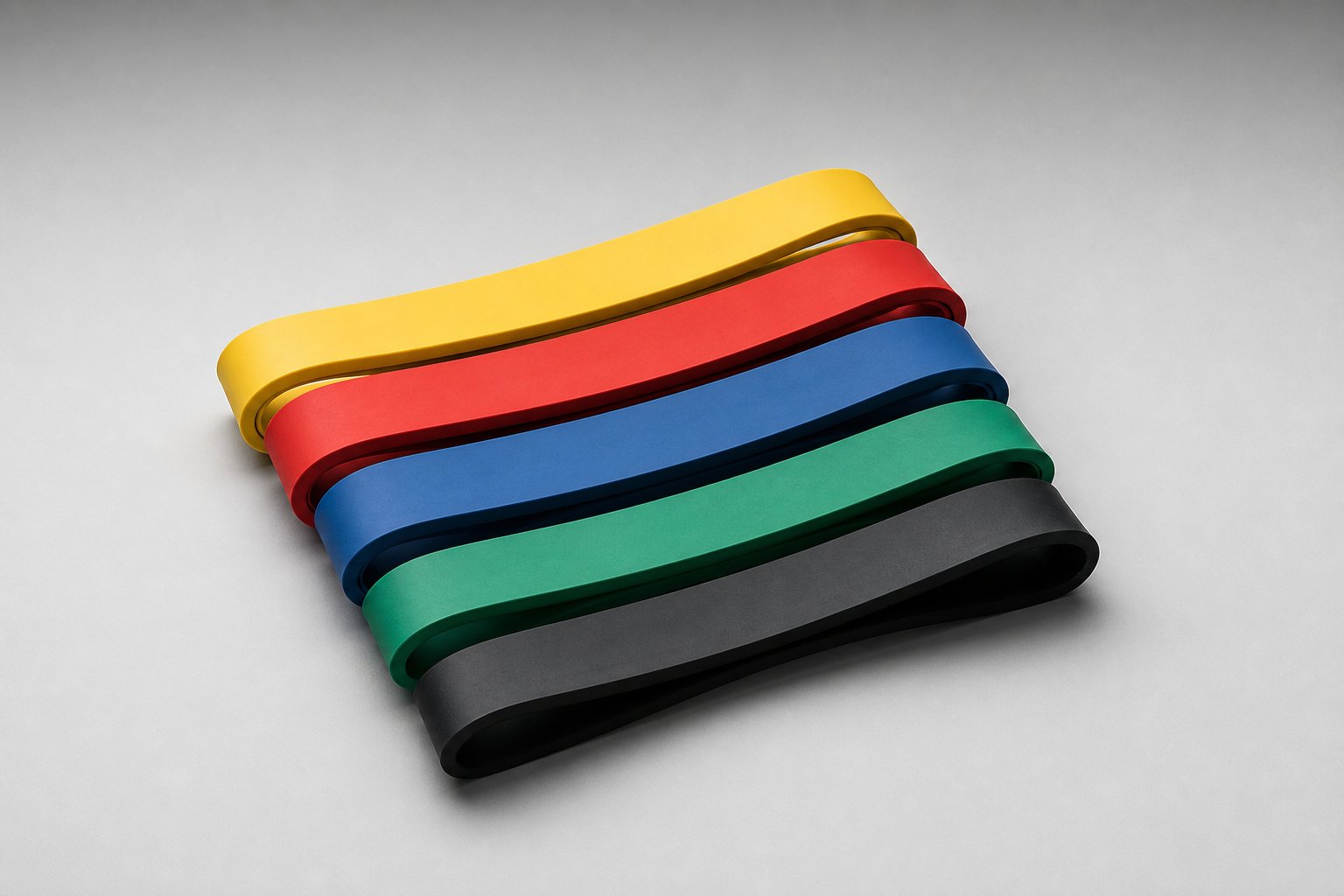
REACH — the EU's chemicals regulation — reaches into fitness catalogs quietly: rubber bands, foam rollers, coated dumbbells, grip materials and every other article sold into the EU carry REACH obligations that attach to the importer. Unlike directive-based CE marking, REACH compliance is chemistry management across a product's whole bill of materials, and its signature concept — Substances of Very High Concern, or SVHC — creates a rolling obligation that changes as the candidate list grows. Sellers who understand the mechanism run a documentation chain; sellers who ignore it discover the topic through a customer or authority letter.
What REACH asks of an importer
REACH regulates chemicals at the substance level, but its obligations reach articles — finished products — through two main doors. First, restrictions: Annex XVII of the regulation lists substances whose use in articles is limited or banned, and the importer is responsible for the products they place on the market not exceeding those limits. Second, communication: where an article contains a candidate-list SVHC above 0.1 percent by weight, the importer must communicate adequate information down the supply chain and, for consumer articles, respond to consumer requests for that information within statutory timelines. Both doors require knowing what is in your products, which is the whole game: REACH compliance is document-and-knowledge management before it is testing.
SVHC: the moving target worth understanding
The candidate list of Substances of Very High Concern grows on a rolling schedule — additions land roughly twice a year — and each addition creates new communication obligations for articles containing it above the threshold. For fitness equipment, periodically added substances keep appearing in areas the industry touches: certain plasticizers, flame retardants and processing chemicals have all had SVHC moments. The practical consequence is that REACH compliance is not a one-time test but a standing process: when the list updates, a seller should be able to check their material declarations against the new entries and answer, within days, whether their SKUs are affected. Sellers whose supplier documentation cannot support that check have outsourced their compliance to hope.
Where fitness gear actually touches the list
The material families that dominate fitness catalogs are the same families REACH watchers watch: elastomers and rubber (bands, grips, flooring) where processing chemicals and plasticizers live; PVC components (weighted ball shells, some mat layers) with their plasticizer chemistry; foams (rollers, pads) with blowing-agent and residual-monomer histories; and coatings and adhesives that can carry substances the base materials avoid. None of this means the categories are non-compliant — it means these are the material families where declarations and occasional screening tests earn their keep, and where a factory's material-change events should trigger a documentation update.
The supplier documentation chain
REACH compliance runs on a chain of declarations: the seller's spec to the factory names restricted-substance compliance and SVHC communication duties; the factory's declaration covers the materials and components they supply, ideally per material family with named chemical systems; and third-party screening tests (targeted at the risky families) validate the declarations periodically. The chain is only as strong as its traceability — declarations naming materials precisely enough to map onto bills of materials — and only as current as its update discipline, because a declaration from three years ago predates several candidate-list updates. Written into purchase terms, the chain survives personnel changes at the factory; left verbal, it survives nothing.
What enforcement and channels actually ask
Market surveillance and marketplace compliance both arrive as document requests: evidence that restricted substances are managed, and SVHC information for the products on offer. Sellers holding the chain answer by forwarding declarations and test summaries; sellers without it enter a scramble whose worst case is a delisted listing or a border rejection. Retail channels add their own layer — large European retailers run restricted-substance programs that exceed REACH's baseline — and the same documentation chain answers those forms too. One well-built chain serves every asker; that economy is the argument for building it properly once.
A standing process, not a certificate
The habits that keep REACH compliance real: a candidate-list check whenever updates land, mapped against the declaration library; material-change clauses in purchase terms that force declaration updates; periodic screening tests on the risky families; and a named owner for the process inside the seller's operation. Sellers who run this loop treat REACH as routine administration; sellers who treat it as a certificate to obtain discover that the certificate expired the day a new substance joined the list. The loop is an hour a quarter when the chain exists — and a crisis when it does not.
| REACH element | Obligation | Working tool |
|---|---|---|
| Annex XVII restrictions | Limits on listed substances | Specs + screening tests |
| SVHC candidate list | Communication above 0.1% w/w | Declaration library + list checks |
| Material changes | Re-declaration trigger | Purchase-term clauses |
Conclusion
REACH for rubber and foam fitness gear is chemistry documentation, not heroics: know your material families, hold traceable declarations, screen the risky ones periodically, and re-check the candidate list every update. One standing chain answers authorities, marketplaces and retailers alike. Tell us your rubber and foam SKU families and we will map where your REACH attention belongs.
Frequently asked questions
What does SVHC presence above 0.1 percent require? Communication of adequate information down the supply chain and to consumers who request it within statutory timelines - not automatic prohibition.
Why is REACH compliance a process rather than a one-time test? The SVHC candidate list updates roughly twice a year, and each update can create new obligations for existing articles.
Which fitness materials deserve screening tests? Elastomers, PVC components, foams, coatings and adhesives - the families where restricted substances and SVHC historically live.