Between a 25kg parcel that ships fine with a courier and a container load that justifies a truck, sits a wide band of fitness orders — a couple of benches, a mid-size rack, a studio's accessory restock — that fits neither channel well. Less-than-truckload (LTL) freight is the channel built for exactly this band, sharing truck space among multiple shippers at a fraction of dedicated-truck cost. It is less familiar to ecommerce sellers than parcels, and its pricing logic — freight class, density, accessorials — rewards sellers who understand it and punishes those who guess. This guide explains how LTL works and when it is the right answer for gym equipment.
Where LTL sits in the shipping menu
The shipping channels for fitness equipment form a spectrum: standard parcels for light compact items, LTL for palletized freight below a full truck, and full truckload (FTL) or container for everything larger. LTL occupies the band where a shipment is too big, heavy or awkward for parcel networks — roughly from 50kg up to several pallets — but does not justify a dedicated truck. For fitness sellers, that covers most mid-size orders: a bench-and-rack combo, a studio's quarterly accessory restock, a few treadmills headed to a regional distributor. Transit is slower than parcel (3-7 days domestically is typical) but the cost per kilogram at this size is far below parcel oversize rates, which is the trade the channel exists to offer.
Freight class and density: the pricing engine
LTL pricing starts with freight class, a category derived primarily from density (weight per cubic foot), along with stowability, handling and liability. Dense, easily stacked freight — a pallet of weight plates — earns a favorable class; bulky, lightweight or irregular freight earns a worse one and pays more per hundredweight. The practical implication for sellers is that packaging density is a pricing lever: a bench disassembled and packed tight on a smaller pallet can class better than the same bench assembled on a large one. Guessing class instead of calculating density invites re-classification, where the carrier measures the freight themselves and retroactively bills the difference — at their rates, not yours.
Accessorial fees: where surprises actually live
The base freight quote is rarely where LTL surprises come from; accessorials are. A liftgate fee applies when the destination has no dock — most residential and small-studio addresses. Residential delivery fees apply even to home-based businesses. Inside delivery, appointment scheduling, limited-access locations (schools, military bases, storage facilities) and redelivery after a failed appointment each carry their own fee. None of these is hidden, but all of them are easy to forget when quoting, and they can add a meaningful percentage to the invoice. The disciplined practice is a destination checklist per shipment: dock or liftgate, commercial or residential, any limited-access flags, appointment requirements.
Palletizing well: the craft of a smooth LTL shipment
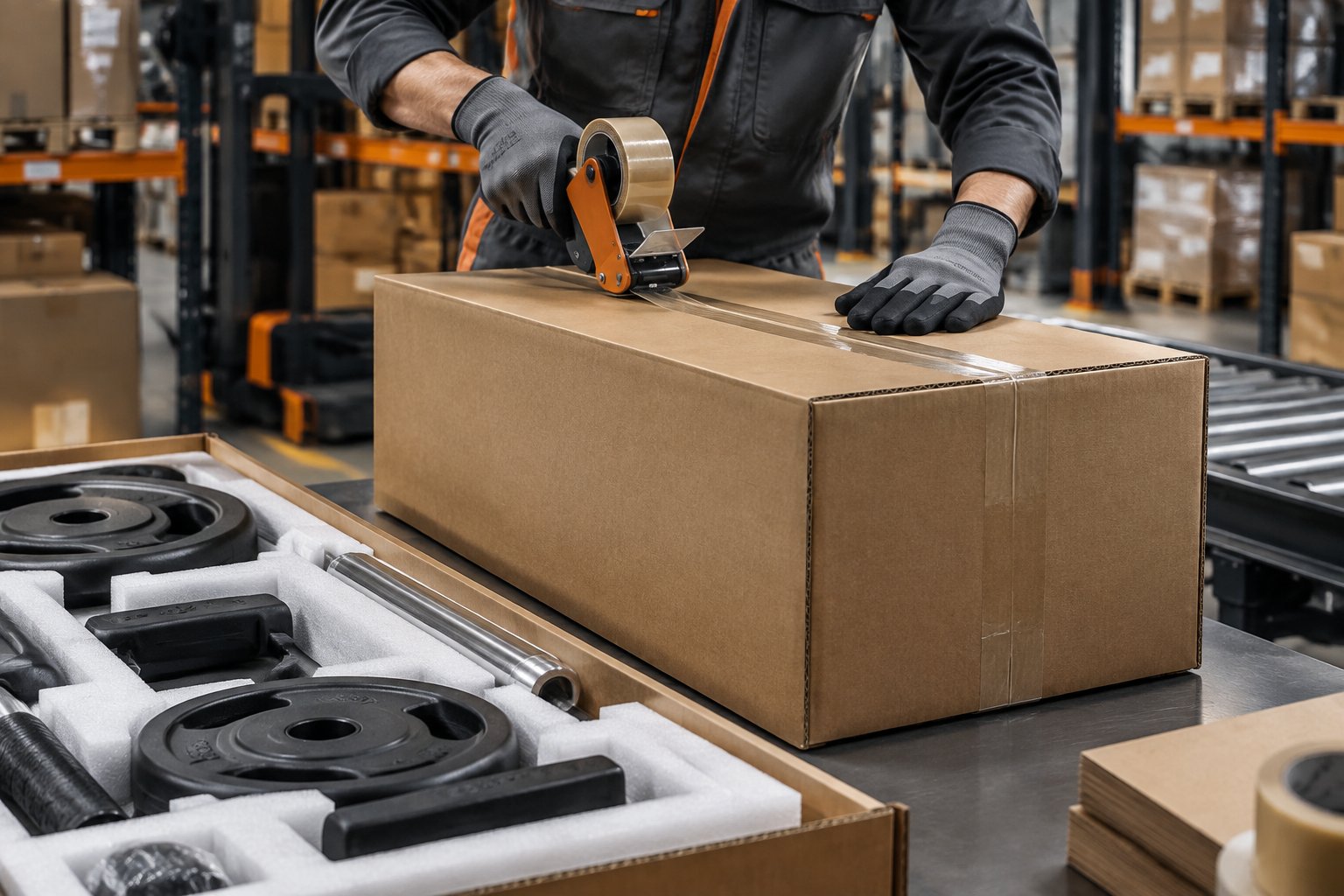
LTL freight changes trucks and terminals multiple times in transit, and pallet quality is what survives that journey. A proper LTL pallet boxes or secures every item, stretch-wraps to the pallet (not just the cartons), uses corner boards for stack protection, and carries labels on two sides. Items overhanging the pallet edge catch on handling equipment — the most common self-inflicted LTL damage. For multi-pallet shipments, uniform pallet heights stack and load more efficiently than mixed ones. None of this is difficult, and all of it is cheaper than the damage claim it prevents.
Claims and liability: know the rules before you need them
LTL carriage operates under liability rules different from parcel: carrier liability is limited, declared value coverage costs extra, and claims windows are short — concealed damage discovered after delivery often has a claim window of days, not weeks. Sellers should note any visible damage on the delivery receipt before signing (this notation is what preserves the claim), photograph packaging and contents on arrival when anything looks suspect, and understand that uninspected-acceptance signatures weaken claims substantially. Building a receiving checklist for customers — inspect before signing, note exceptions on the receipt — protects both sides and belongs in the delivery instructions, not in a dispute email afterward.
When LTL is and isn't the right answer
LTL is the right channel when a shipment is pallet-sized, mid-weight and not urgent: restocks, multi-item orders, regional distribution. It is the wrong channel for single small items (parcels win), genuinely urgent shipments (expedited parcel or air wins), and full-container volumes (FCL or FTL wins). The judgment gets easier with a rate comparison habit: price the same shipment as parcel, LTL and — at larger sizes — dedicated freight once per quarter, since rate cards move and the crossover points drift. Sellers who price channels annually ship some orders in the wrong channel for months without noticing.
| Channel | Best for | Typical transit |
|---|---|---|
| Parcel | Light, compact items | 1-5 days |
| LTL | Palletized mid-weight freight | 3-7 days |
| FTL / container | Full truck or container volumes | Varies by route |
Conclusion
LTL freight is the workhorse channel for the 50kg-to-several-pallets band where most real gym-equipment orders live: cheaper than parcel oversize, cheaper than a dedicated truck, and smooth when density is calculated honestly, accessorials are anticipated, and pallets are built to survive terminals. Build the destination checklist, note damage before signing, and re-price channels quarterly. Send us a representative order profile and we will tell you whether LTL should be carrying it.
Frequently asked questions
When does LTL beat parcel shipping for fitness equipment? When a shipment is pallet-sized and mid-weight - roughly 50kg to several pallets - where parcel oversize surcharges stack up and a dedicated truck would be wasted.
What are LTL accessorial fees? Charges beyond base freight for conditions like liftgate service, residential delivery, inside placement, appointments and limited-access locations - the main source of invoice surprises.
What should I do about damage on an LTL delivery? Inspect before signing, note any damage on the delivery receipt itself, and photograph packaging and contents - the receipt notation is what preserves the claim.